
A 3D Printed Elastomer That Refuses to Choose Between Toughness and Durability
Double network granular elastomers (DNGEs) are a new 3D printed elastomer architecture in which stiff elastomer microparticles are bound by a softer second network, delivering fracture toughness up to 15 times and fatigue resistance up to three times higher than comparable printable elastomers while remaining processable as an ink for additive manufacturing elastomers in demanding applications. This is not a marginal tweak; it is a direct attack on one of materials science’s nagging compromises. For years, fracture resistant materials have failed early under cyclic loading, while fatigue resistant polymers have snapped under sudden stretching or impact. The EPFL team’s work shows that we do not have to accept this compromise as inevitable. If performance is engineered into structure rather than chemistry, soft matter can be both printable and long‑lived.
Why the Granular Double Network Matters More Than Another New Polymer Recipe
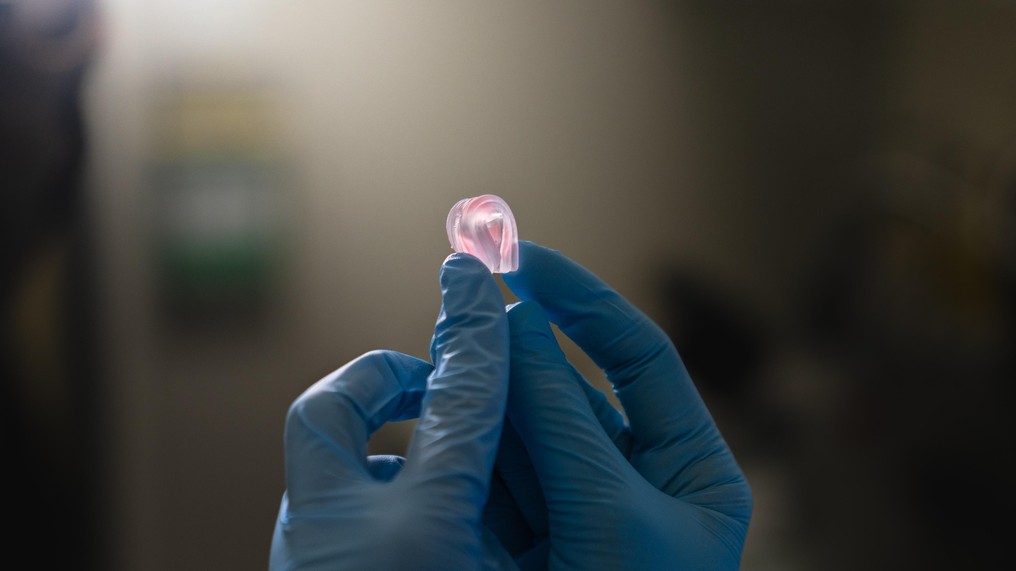
The headline achievement is simple: EPFL’s Soft Materials Laboratory has reported a 3D printable elastomer combining high resistance to fracture with high resistance to fatigue, a combination that has limited soft materials used in robotics, wearable electronics and biomedical devices. In testing, optimized DNGEs reached fracture toughness up to 15 times that of comparable elastomers and fatigue resistance up to three times higher. But the real story is how they got there. The team first introduced DNGEs in 2024 as "printing inks" made of microscopic elastomer particles held together by a softer network, built to tune mechanical behavior for additive manufacturing. According to EPFL’s Soft Materials Laboratory, the same architecture that makes these inks extrudable also lets them absorb mechanical energy over and over without irreversibly breaking. That is the kind of structural thinking additive manufacturing elastomers have been missing.
Stress Sharing, Crack Rerouting, and the End of Disposable Soft Components
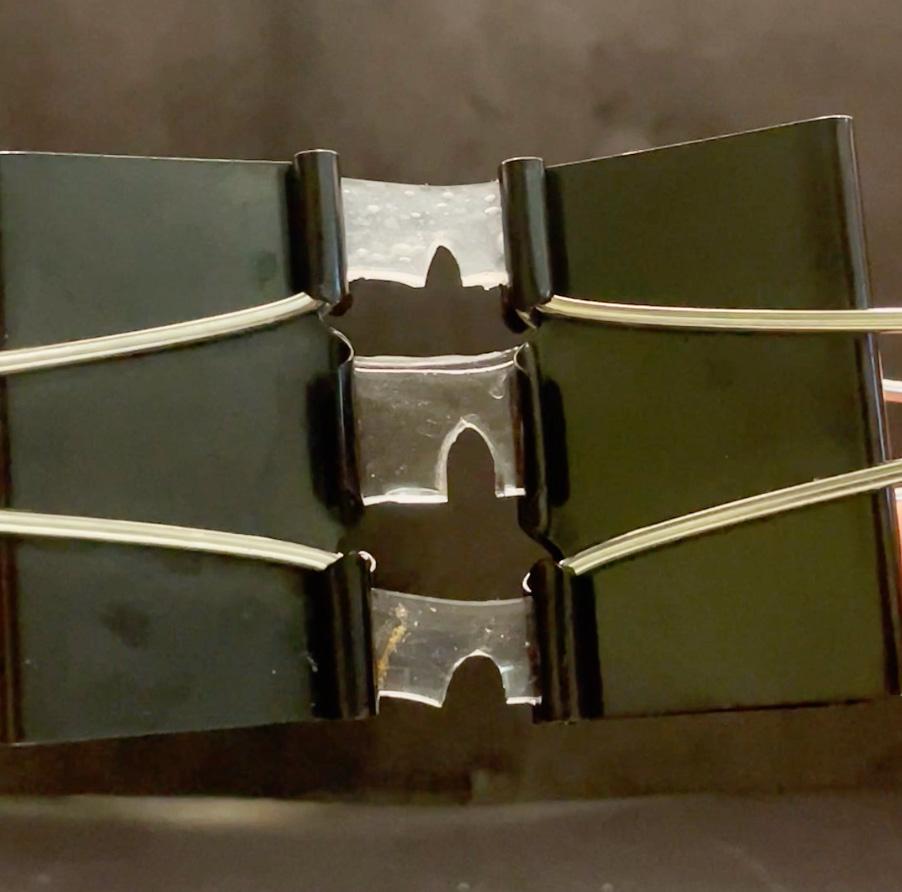
What makes this 3D printed elastomer opinion‑worthy is the way its internal design dismantles the usual tradeoff. In DNGEs, one network is formed by granular elastomer particles and the other by a soft elastomer; these two networks share mechanical strain between them, making the material stronger overall. When the material is stretched, stress shifts away from the rigid microparticles into softer interstitial regions, where polymer chains slide and rearrange to dissipate energy instead of breaking. Cracks are forced to travel a winding path through those softer regions, slowing their growth and delaying failure. This is an explicit design for fracture resistant materials that are also fatigue resistant polymers, not a lucky by‑product. For soft robots, flexible electronics, and biomedical devices that endure repeated stress and deformation over extended lifetimes, this could mark the end of treating elastomeric parts as consumables to be swapped out endlessly.
Benefits, Limits, and the Push Toward Sustainable Tough Elastomers
The practical impact is already visible. The researchers used the material’s printability to 3D print composites with locally varying compositions, including a fiber‑reinforced structure and a core‑shell design inspired by mussel byssus fibers, combining stiffness with the toughness and fatigue resistance typically found only in softer formulations. EPFL builds performance into the material’s structure, not its chemistry, so the same ink that prints cleanly also withstands sustained, repeated flexing. There are constraints: sample thickness was limited to about 5 millimeters because curing UV light cannot penetrate deeper into the granular ink, and DNGEs end up softer than bulk double‑network elastomers they outperform on toughness. Yet the group is already refining the material with sustainability in mind, exploring biodegradable elastomers and versions made from recycled feedstock so that durable additive manufacturing elastomers do not come at an environmental cost.
From Laboratory Curiosity to a New Baseline for 3D Printed Soft Matter
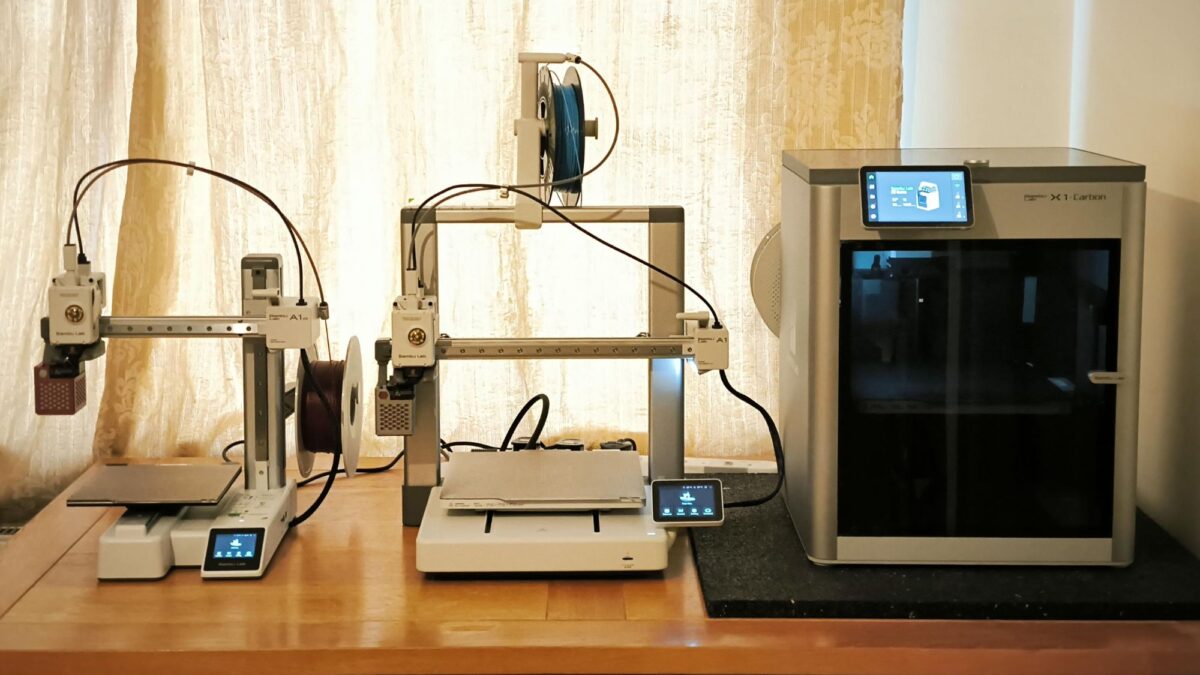
The temptation is to treat DNGEs as another clever but niche material. That would be a mistake. The study, published in Science Advances, directly tackles the long‑standing problem of producing printable elastomers that are simultaneously tough and durable. The drive to give printed soft matter better mechanics is a busy research front, yet most efforts still tinker with polymer chemistry while leaving architecture underused. Here, architecture does the heavy lifting: a granular layout, a shared‑strain double network, and controlled energy dissipation. By increasing the scope of materials that can be used, the team aims to reduce DNGEs’ environmental footprint and make them accessible to any lab with a commercial 3D printer. If the community takes this seriously, future 3D printed elastomer standards will judge new inks not only by printability, but by how gracefully they survive fracture and fatigue together.