
The end of OxygenOS and what that really means
The OxygenOS vs ColorOS transition on OnePlus phones is the planned replacement of OnePlus’s longtime Android skin with Oppo’s ColorOS once Android 17 arrives, changing interface behavior, default apps, and future update paths for all eligible devices while leaving older firmware on maintenance-only support. That is the headline change, but the real story is about identity and control. OxygenOS helped define OnePlus as the phone for people who cared about clean software and smart tweaks. Now OnePlus is effectively dead in most of the world, and its remaining phones will be folded into Oppo’s software and business strategy. The move is sold as operational streamlining and faster updates, yet for existing users this is less an upgrade and more a forced migration with practical consequences for how their phones feel, behave, and age.
OnePlus says that, after ColorOS 17 is released, owners of supported devices can voluntarily update to ColorOS for continued feature updates and security support. Older models that fall outside the Android 17 upgrade scope stay on OxygenOS, but only with maintenance support. In parallel, the company is offloading much of its business and directing would‑be buyers to Oppo instead, while promising to keep selling devices only until existing stocks run out and to provide repairs for a longer period. That means this software transition is not happening in isolation; it coincides with the brand winding down as an independent choice. If you still use a OnePlus phone, you need to treat OxygenOS’s disappearance as the moment your device stops being a OnePlus in spirit and starts being an Oppo with a familiar logo.
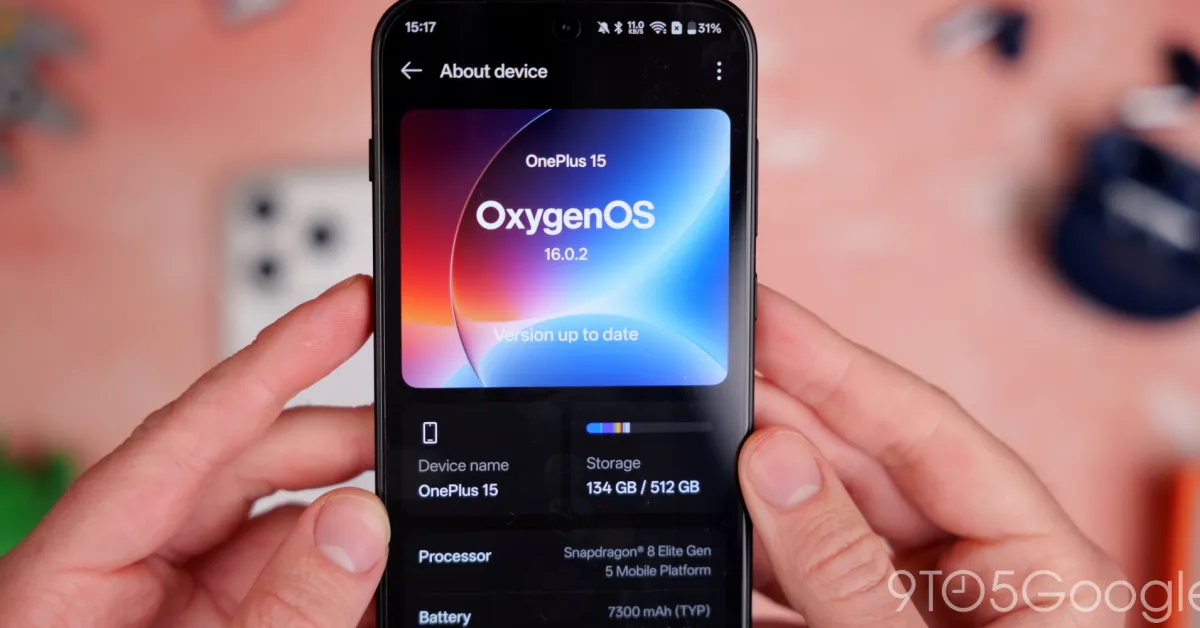
OxygenOS vs ColorOS: similar base, different priorities
On paper, OxygenOS vs ColorOS sounds almost like a non‑issue. The two share their codebase and are "identical to a great extent" according to coverage of the merger. OnePlus phones in some markets already ran ColorOS, and OxygenOS has largely evolved to become ColorOS over recent years. The differences are described as “little things,” yet those little things are exactly what long‑term fans cared about. OxygenOS was typically better at not crushing background activities and was more optimized for how phones operate in global markets. ColorOS, by contrast, reflects Oppo’s priorities: more aggressive background management, heavier visual flourishes, and tighter integration with its own services and stores.
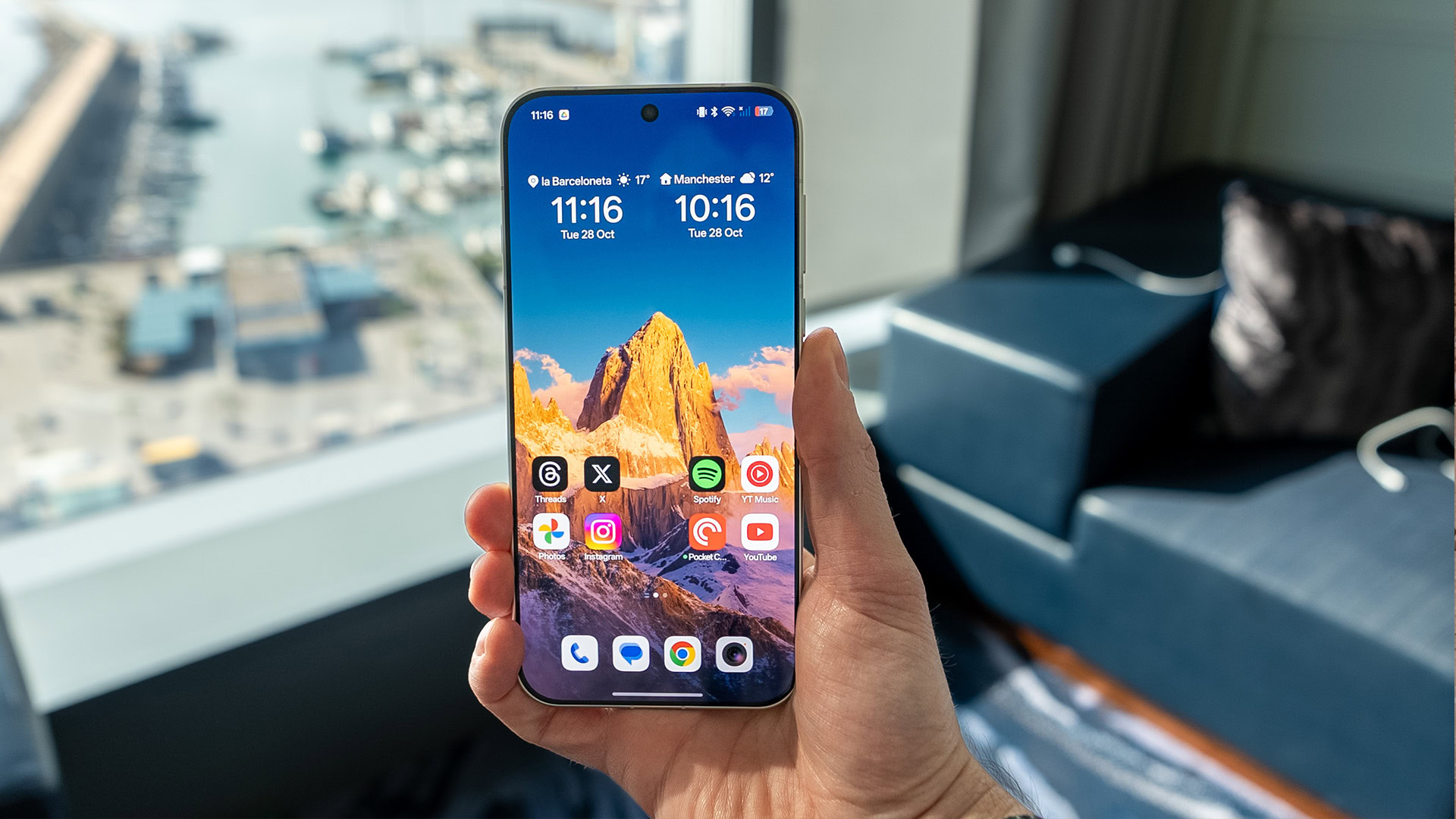
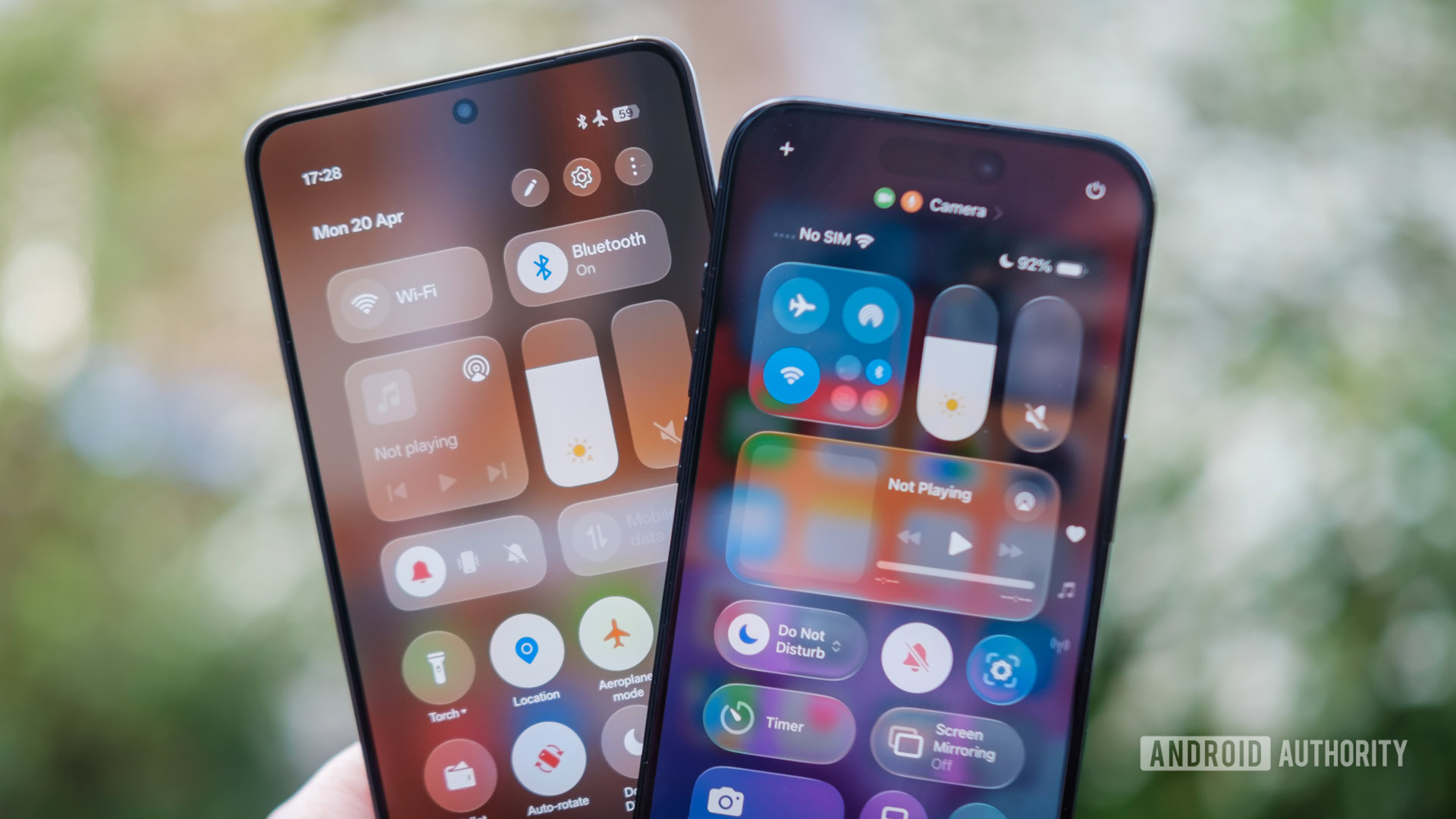
If you have lived with older OxygenOS builds, you probably remember a clean, less‑cluttered interface, simpler colors instead of a gaudy palette, and fluid animations that felt closer to stock Android. Those traits have been fading since the internal merger, but the final move to ColorOS risks finishing the job. Expect a more translucent, Liquid Glass visual style in areas like the Control Center, replacing OnePlus’s subtler version. Iconography will change too, including the loss of the “Classic” OnePlus icon pack that helped the UI feel distinct. None of this will stop your phone from working, yet it will stop it from feeling like the device you originally chose. The core functions remain, but the personality is rewritten in Oppo’s voice.
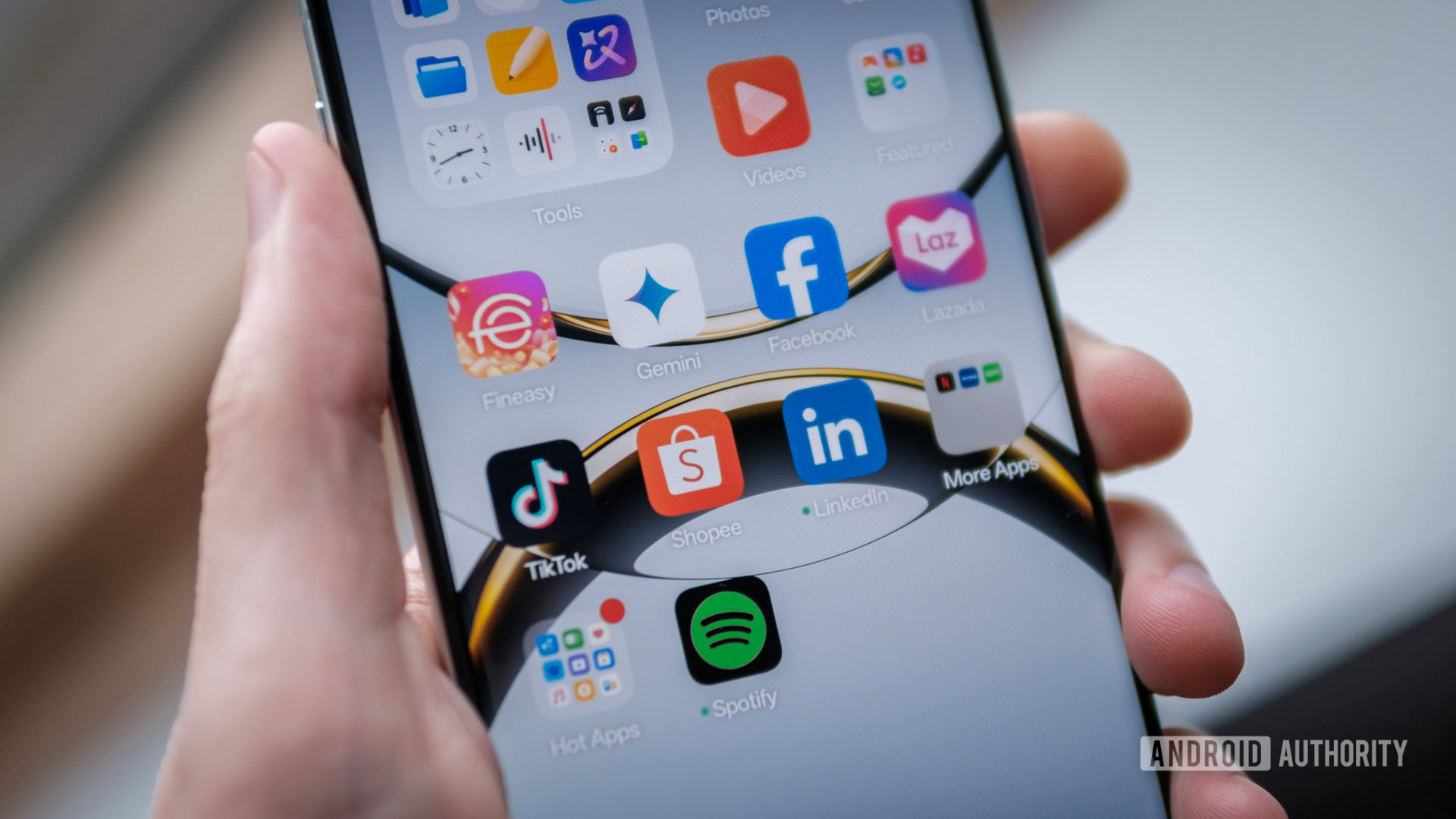
Bloatware, lockscreen ads, and the new app ecosystem reality
The harshest OxygenOS replacement features come from ColorOS’s app ecosystem. ColorOS has a bloat problem: Oppo phones, even high‑end ones, ship pre‑installed apps such as "App Market" and "Game Center" that act as gateways to its own app store filled with knockoffs and low‑quality replicas. On premium Oppo devices you will also find bundled apps like Amazon, Booking.com, Facebook, Instagram, LinkedIn, and Netflix, with exact lists varying by region. Cheaper OnePlus phones already include some of these, but the flagships have mostly avoided them so far. Once ColorOS becomes standard, that divide is likely to vanish. You are not locked into these apps forever—you can uninstall most, turn off notifications, and even hide the app store—but you cannot remove the store itself, and the nagging sense of an uninvited guest on your phone never quite goes away.
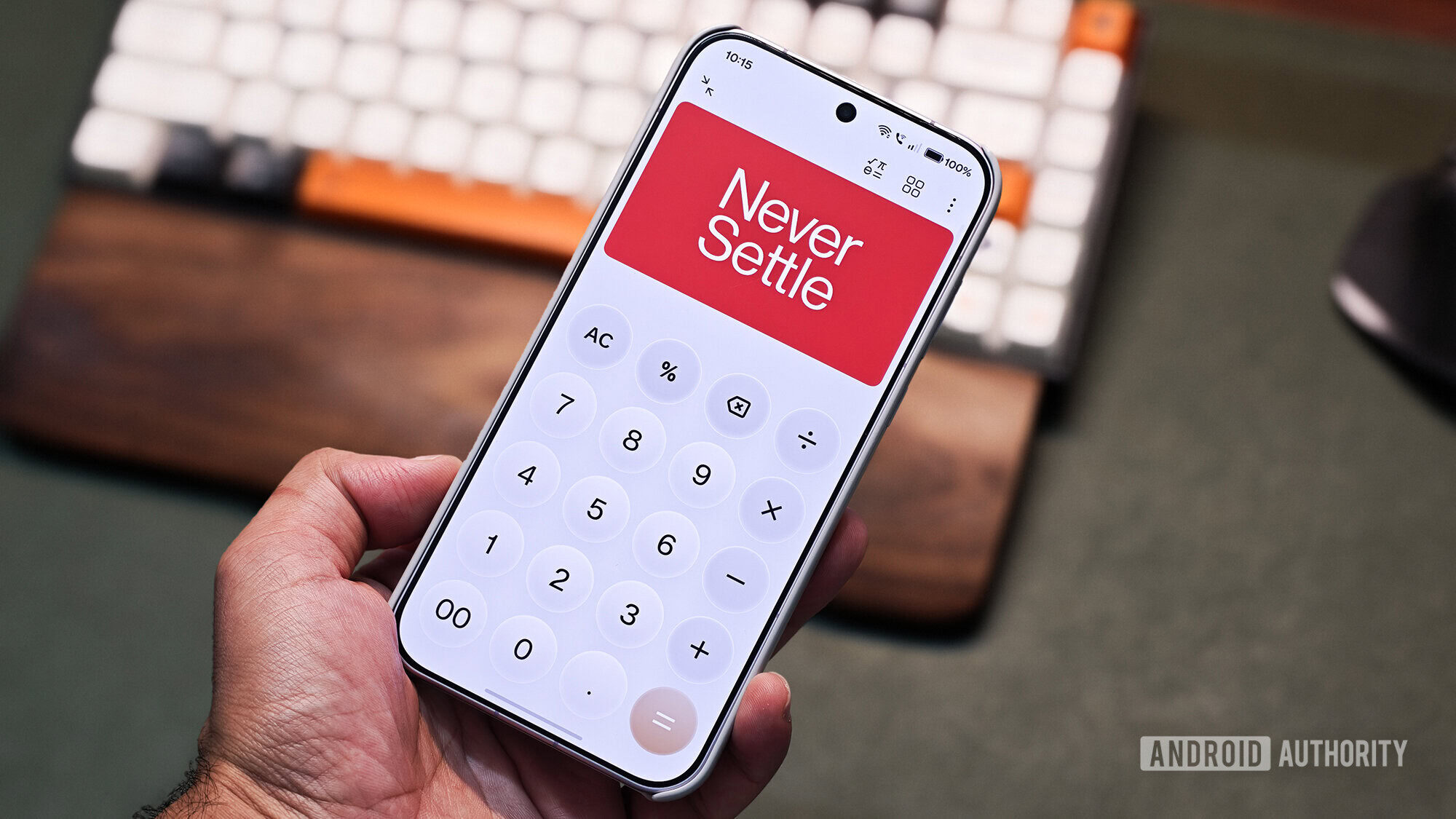
ColorOS also brings a lockscreen magazine feature that is enabled by default and serves ads disguised as featured content. You can disable this, yet the very need to track down and turn off promotion features goes against the Never Settle ethos that once defined OnePlus. OxygenOS was far from perfect, but it tried to keep distractions out of the way. In user polls about the merger, 57% of voters say Oppo is trying to ruin OnePlus, while 20% think Oppo is unintentionally doing so. That response underlines why bloat and lockscreen ads matter: they are not mere cosmetic annoyances. They are signals that the phone’s software now serves two masters, and one of them is a pushy content and commerce layer. Accepting ColorOS means accepting that your lockscreen and app list are business assets as much as personal tools.
Customization, gestures, and how your daily flow will change
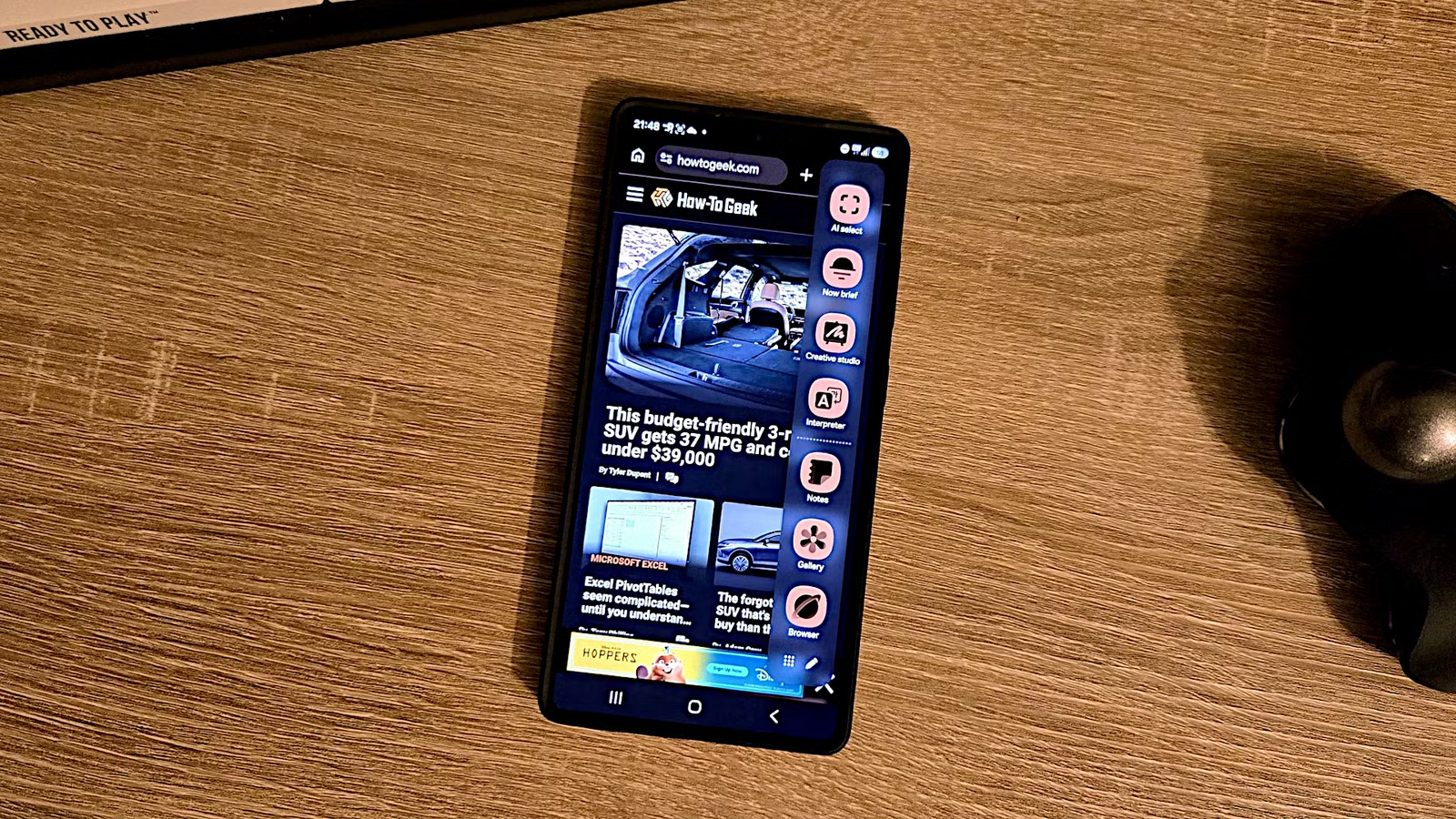
Beyond visuals and bloat, the OxygenOS vs ColorOS transition changes how you move through your phone. OxygenOS offered a more Android‑like, relatively bearable adaptation of an iPhone‑style Control Center, with subtle translucency and options to disable blur effects in some elements. ColorOS shifts toward more pronounced Liquid Glass graphics and heavier use of translucent layers. This affects muscle memory in the shade and quick settings, especially if you preferred OxygenOS’s cleaner feel. The launcher has already become more limited over recent years, with fewer ways to customize the homescreen and app drawer layouts. Shelf—once a practical OnePlus feature—is no longer a simple right‑swipe panel, because that gesture is permanently tied to Google Discover; instead, Shelf now requires a top‑to‑bottom swipe that collides with the intuitive gesture to pull down notifications.
ColorOS does bring some welcome OxygenOS replacement features. It has adopted the Zen Space app, which helps you focus with continuous ambient sounds and app‑limiting tools. But this gain sits alongside a broader loss of friction‑free customization. When gestures conflict or key panels are repurposed, you either live with the friction or install a third‑party launcher to regain control. Recommendations already suggest using faster, cleaner launchers instead of the default. The practical impact is subtle but constant: opening notifications takes an extra thought, checking quick toggles feels different, and the home setup becomes something you work around rather than something that works for you. For everyday use, that drip‑feed of small compromises adds up more than any single removed feature or added app.
Updates, brand exit, and how users should respond
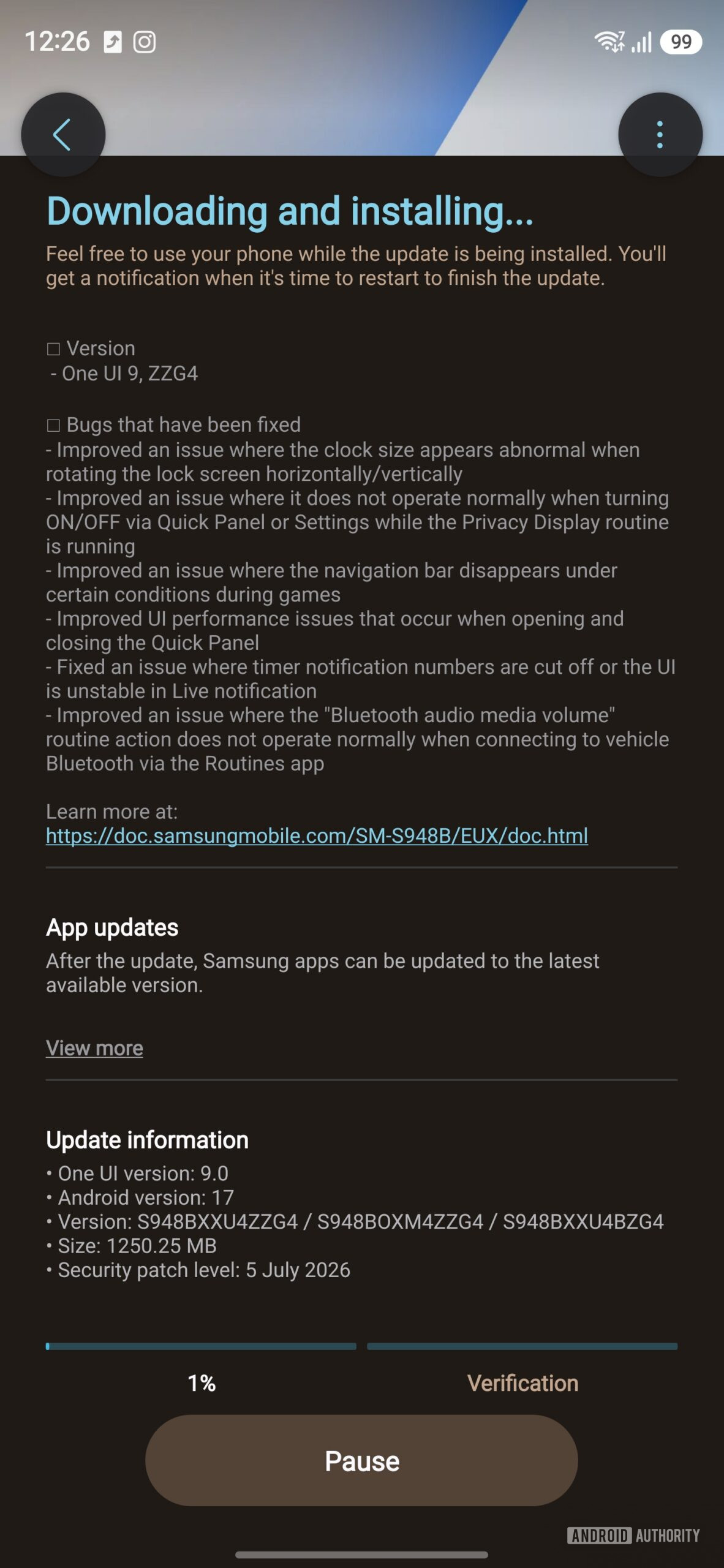
The OnePlus ColorOS transition is wrapped in promises of better updates. The company claims the move will streamline software development, accelerate update delivery, and improve quality by sharing engineering and R&D resources with Oppo. ColorOS is set to reach eligible OnePlus phones around the next major Android 17‑based release, though timelines remain vague. At the same time, OnePlus is offloading much of its business to Oppo and steering buyers toward Oppo devices, while saying it will keep selling OnePlus phones only until existing stock runs out and will continue offering repairs beyond that. In practice, this means that for phones inside the Android 17 upgrade scope, staying on OxygenOS long‑term will likely mean missing out on ongoing feature updates and broader support.
You cannot treat this as a routine skin update. It is the moment when your OnePlus stops being part of a living, distinct product line and becomes part of Oppo’s ecosystem strategy. The brand that built goodwill around a clean interface and community‑friendly tweaks is being absorbed into a larger machine that prioritizes consolidated code and monetized surfaces. Some users will accept ColorOS for the sake of faster updates and new features. Others will stick to existing firmware to preserve the experience they bought. And many will look elsewhere for their next phone. Whatever you choose, make it a deliberate decision: you are not just changing themes, you are deciding whether the phone in your pocket serves your habits first, or its maker’s business model.