
Metal 3D printing’s real bottleneck is bad data, not bad hardware
Advanced metal 3D printing software for toolpath optimization, depowdering simulation, and in‑situ monitoring is emerging as the missing digital layer that turns laser powder bed fusion from a risky prototyping method into a controlled, repeatable route for additive manufacturing production of complex metal parts at scale. The uncomfortable truth is that most failures in metal AM are not caused by machines; they are caused by decisions made upstream and never questioned. Bad scan strategies, untested powder removal paths, and opaque build quality feed the classic “garbage in, garbage out” problem. Hardware fixes symptoms, but smarter software attacks root causes. Gravity Pull Systems’ PAAM, Solukon’s SPR-Pathfinder PRO, and NASA-backed Phase3D monitoring research all point to the same conclusion: metal AM will scale only when data about the process is treated as seriously as the parts themselves.
Toolpath optimization: making hidden scan risks visible before the first build
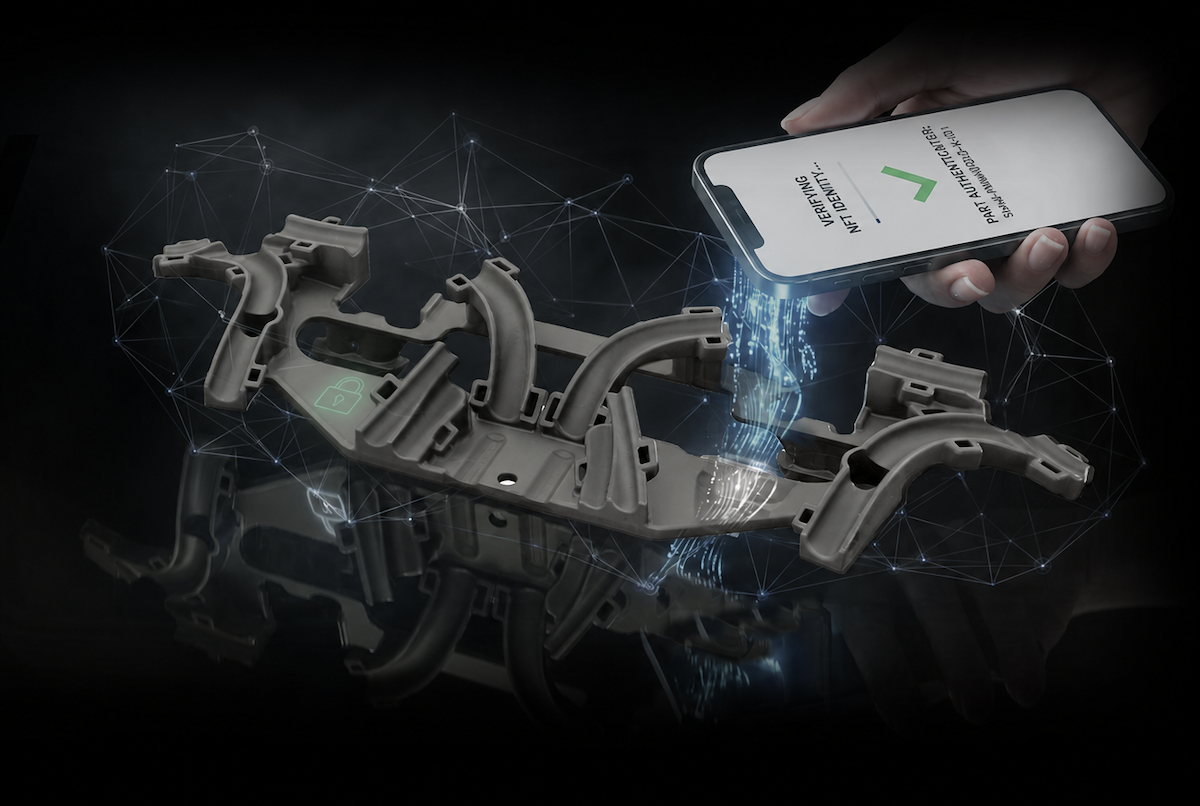
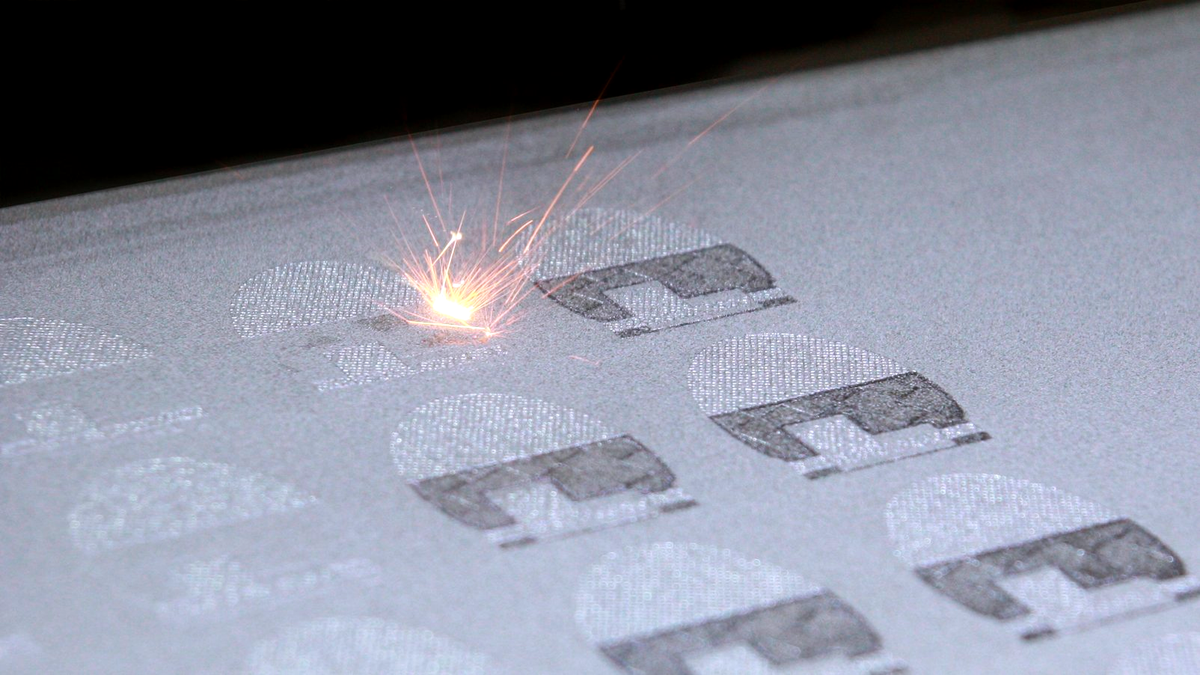
In metal AM, the toolpath is where design intent meets physics, and where many expensive surprises begin. Gravity Pull Systems’ PAAM Personal AM Assistant targets this blind spot by inspecting slicer and build files before a single layer is fused. It analyses scan-path behaviour to flag geometry‑ and process‑driven risk mechanisms that can influence local quality, porosity risk, multi‑laser interaction, gas flow sensitivity, build time, and cost. According to Gravity Pull Systems, PAAM makes toolpath‑driven risk “visible, measurable, and correctable before the first build.” That is a direct challenge to the industry’s habit of qualifying parts by trial‑and‑error. Instead of manual scripts and tribal scan strategies, PAAM embeds process knowledge and algorithmic optimisation to cut engineering loops and avoidable human error. For metal 3D printing software, this is the right direction: treat the toolpath as an engineering asset, not an afterthought.
Depowdering simulation: design for depowdering or pay for rework
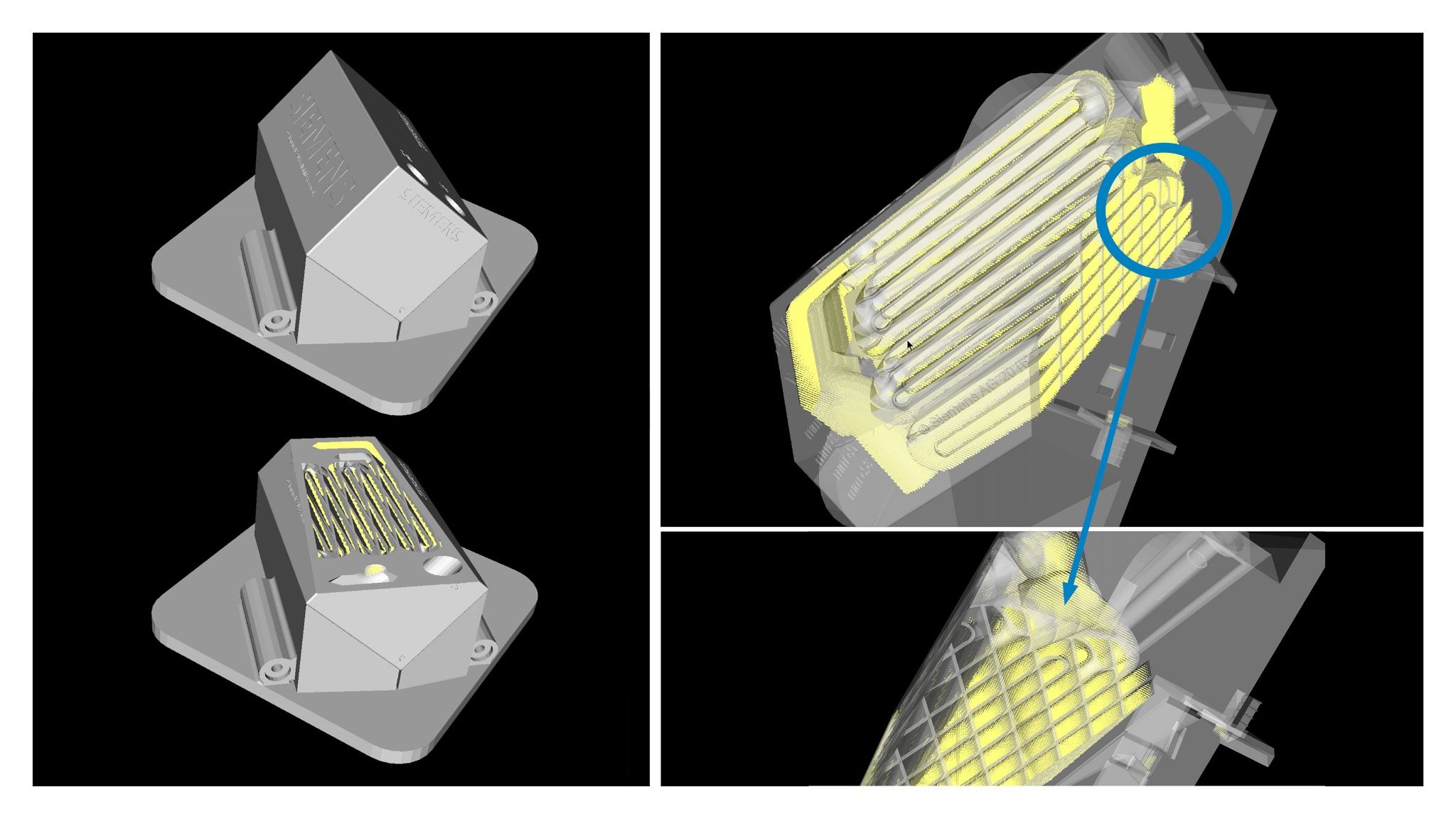
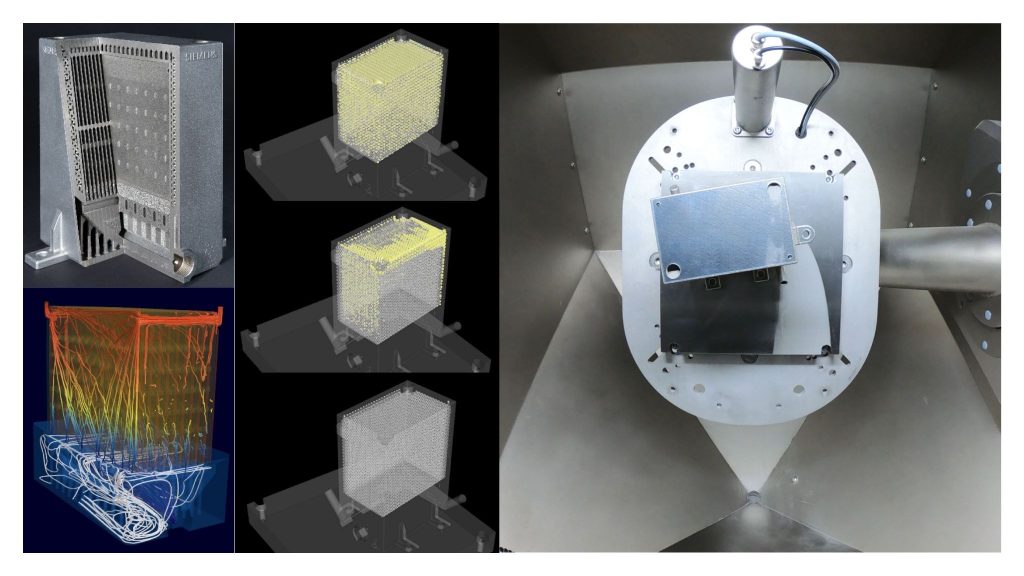
Powder that cannot escape a part is not a minor inconvenience; it is a scrap event waiting to happen. Solukon’s SPR‑Pathfinder PRO attacks this with high‑resolution depowdering simulation for laser powder bed fusion parts that include fine internal channels and densely packed surfaces. The PRO edition removes the previous voxel ceiling and raises the particle‑simulation count to one million, enabling engineers to inspect internal powder movement and spot traps while the part is still digital. Cross‑sectional views along X, Y, and Z axes, combined with transparency controls, make bottlenecks and inaccessible regions obvious enough to redesign channel dimensions, outlet positions, or orientations early. Solukon calls this Design for Depowdering, and they are right to separate it from traditional Design for Additive Manufacturing. A geometry that can be printed is not necessarily one that can be depowdered, and ignoring that distinction undermines additive manufacturing production economics.
SPR‑Pathfinder PRO goes beyond geometry checks by generating movement programs that can be executed on compatible Solukon depowdering systems and by predicting the time required for both simulation and physical depowdering. This shifts powder removal from an art performed by expert operators to a planned, auditable process step. Data recorded via OPC UA can then flow into higher‑level production systems for traceability and deviation analysis. The message is clear: depowdering simulation is not a nice‑to‑have visualisation; it is a scheduling and quality lever. Without it, complex aerospace‑grade heat exchangers and similar components may pass design reviews only to fail the most basic test—getting loose powder out of their internal structures.
In‑situ monitoring: Phase3D and the fight against invisible defects
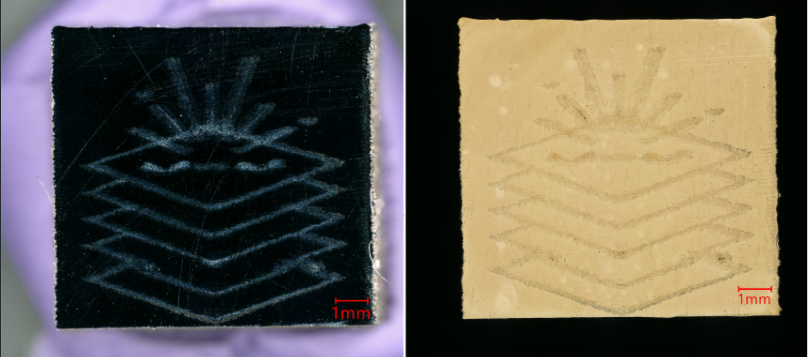
Even with optimised toolpaths and validated depowdering, laser powder bed fusion remains a dynamic, stochastic process. That is where NASA‑funded Phase3D research into in‑situ monitoring comes in: it aims to catch process anomalies as they happen rather than after CT scans or destructive testing. While details of the specific methods are beyond the scope of the sources here, the strategic role is obvious. Monitoring closes the loop between intent and outcome by comparing expected layer‑by‑layer behaviour with reality. When combined with toolpath optimization and depowdering simulation, such systems could transform metal 3D printing software into an integrated quality‑control stack: PAAM reduces the chances of creating risky scan patterns, SPR‑Pathfinder PRO ensures powder can be removed, and in‑situ monitoring verifies that the actual build stayed within acceptable bounds. That is a very different proposition from the current norm of print‑and‑hope.
From “garbage in, garbage out” to qualified metal AM workflows
Across these tools runs one common thread: respect for data quality at every step of the workflow. PAAM interrogates and improves the data that define how lasers move. SPR‑Pathfinder PRO interrogates and improves the data that define how powder leaves the part. Phase3D’s work pushes for richer data about what happens during fusion itself. This is how the “garbage in, garbage out” problem in metal AM gets addressed, not with bigger machines or more lasers, but with software that refuses to accept weak inputs. For aerospace and industrial users demanding reliable production of complex metal components, the implication is blunt. If their additive manufacturing production lines do not include serious toolpath optimization, depowdering simulation, and in‑situ monitoring, they are not running a controlled process; they are running a controlled experiment. The industry’s next competitive edge will belong to the organisations that understand that difference and invest accordingly.