
On-demand manufacturing turns drones into a software-speed business
On-demand 3D printing and CNC machining for drone manufacturing is a digital-first production model where developers order flight-ready parts in small batches as needed, enabling rapid design iterations, lighter and more complex geometries, and faster moves from prototype to low-volume production without committing to traditional tooling or dedicated factory lines.
The core story is simple: whoever iterates hardware faster will win the commercial and defense drone race. Protolabs has now expanded CNC machining and Multi Jet Fusion (MJF) 3D printing capacity specifically for drone manufacturers, betting that agile production beats big, slow factory lines. Rather than locking capital into tooling and long runs, drone teams can rely on rapid prototyping services to iterate, test, and scale only when demand proves a design. This is not a side experiment; Protolabs reports revenue from drone customers has grown more than 90% since 2023, a compound annual growth rate near 40%. That surge signals a structural shift: additive manufacturing scaling is moving drones beyond the hobbyist bench and into a high-mix, low-volume industrial reality.
Why drones need on-demand 3D printing, not fixed factory lines
Drone platforms are inherently unstable—not in flight, but in design. Payloads, avionics, sensors, and mission profiles change too fast for fixed production lines to keep up. In that context, committing to hard tooling early is a strategic mistake. Protolabs’ on-demand 3D printing and quick-turn CNC model flips the script: drone developers can order parts in days instead of weeks and respond to new requirements before competitors have even cut a mold.
This agility matters for ordinary users too. Faster iteration on airframes, brackets, housings, and cooling ducts means safer aircraft, more reliable payload integration, and quicker field upgrades. Rather than waiting for a lengthy redesign cycle, operators benefit from short engineering loops where hardware is treated like software—pushed, tested, and improved in near real time. Combining MJF 3D printing with precision CNC machining allows teams to revise polymer shells and metal cores while moving from prototypes into low-volume production runs. In a market where missions evolve monthly, that responsiveness is worth more than traditional economies of scale.
MJF 3D printing unlocks geometries that traditional machining fights
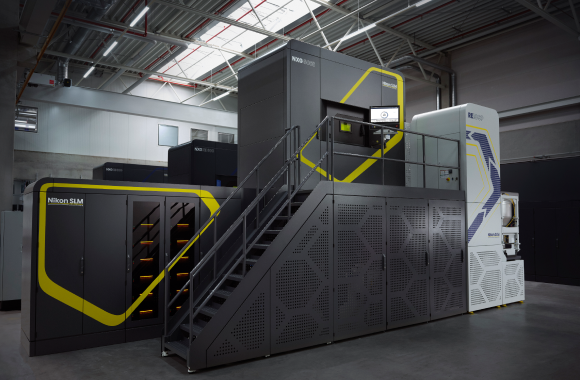
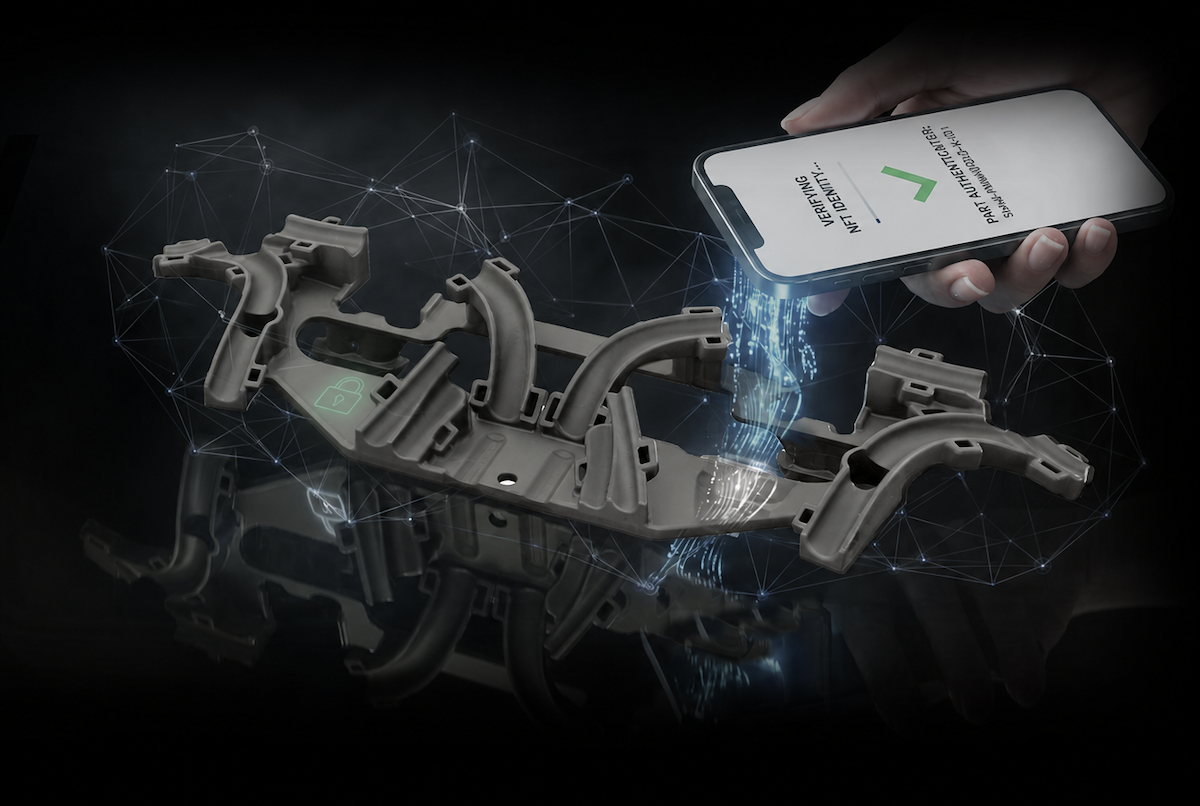
Most drone innovations hide inside the airframe: cooling channels for avionics, snap-fit enclosures for payloads, thin-walled ducts that shave grams without sacrificing strength. These are exactly the parts traditional machining struggles to produce efficiently. Protolabs has expanded its MJF 3D printing capacity through a partnership with HP Additive to target these thin-walled, near-translucent components that still must meet tight weight and performance requirements.
MJF 3D printing uses Nylon PA12, chosen for its strength-to-weight ratio, impact resistance, and durability in harsh environments, from extreme temperatures to rugged terrain. According to Protolabs, the technology is well suited for customized ducts, housings, brackets, and snap-fit enclosures that handle avionics cooling, payload integration, and field maintenance demands. That means drone manufacturers can design for function first—organic airflow paths, integrated fasteners, lattice structures—and trust on-demand 3D printing to deliver the geometry. Traditional methods would either overbuild those parts or price them out of low-volume drone programs. Here, additive manufacturing scaling keeps complexity affordable.
Quick-turn CNC closes the gap from prototype to flight-ready hardware
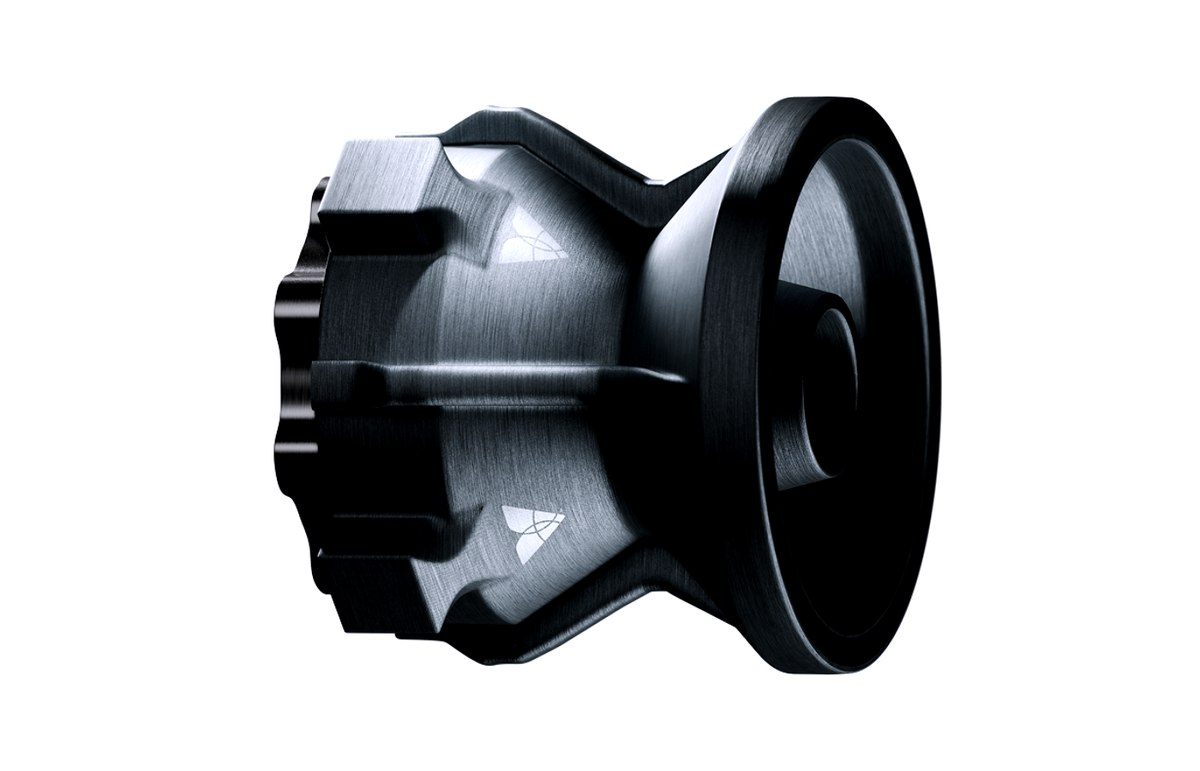
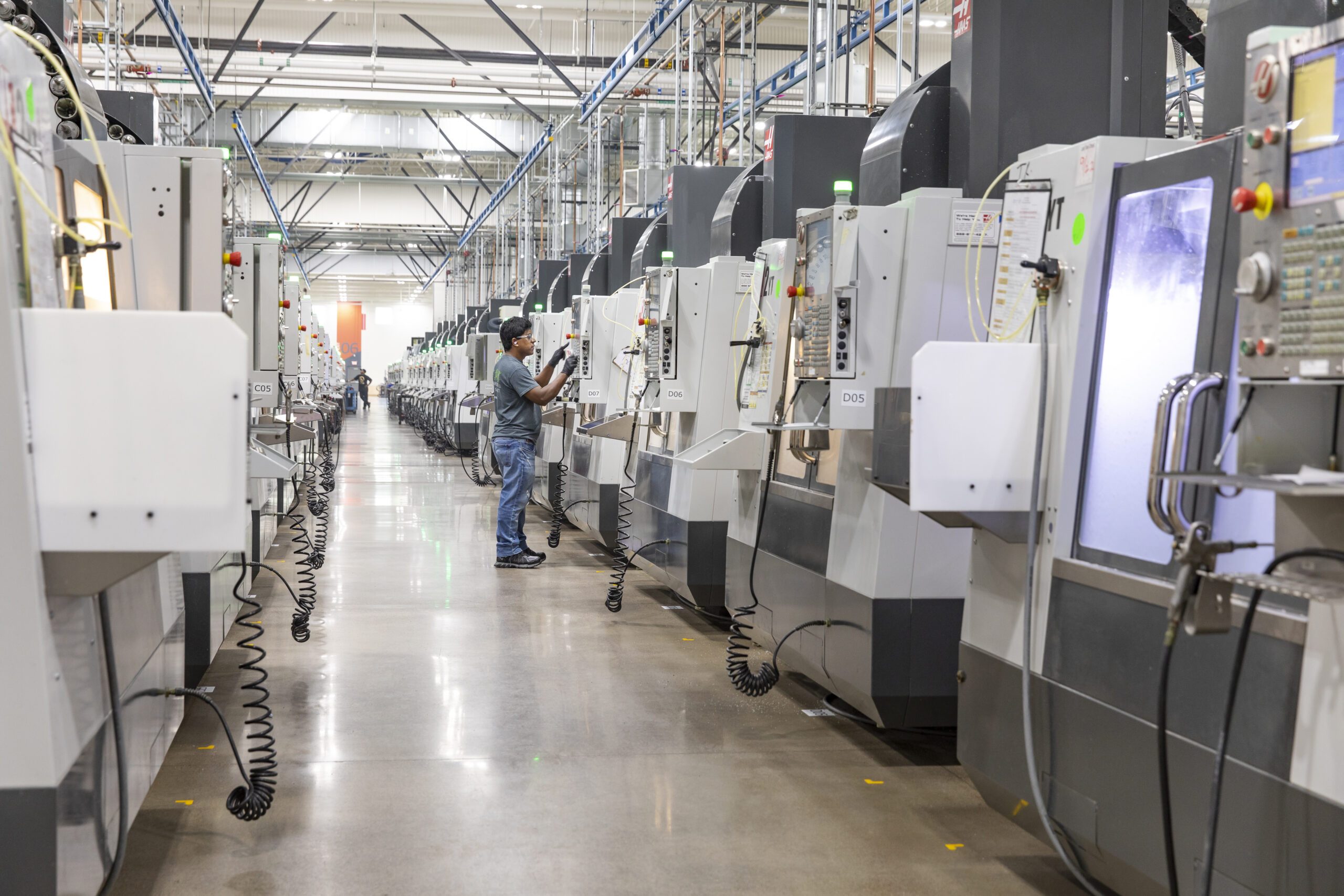
Printed polymer is not the whole airframe story. High-performance drones still depend on precise metal and plastic hardware for load-bearing structures, motor mounts, and mission-critical interfaces. Protolabs has expanded its quick-turn CNC machining services to deliver end-use components with tighter tolerances, greater precision, and a broader range of functional and cosmetic finishes. The key is speed: these parts can arrive within days, allowing engineering teams to shorten development schedules and validate designs under real loads far earlier than before.
Combining CNC and MJF in one on-demand manufacturing model is where the competitive edge appears. Drone developers can print complex housings and ducts, then mate them to machined metal parts without waiting for separate suppliers or long quoting cycles. Protolabs says its digital manufacturing model now supports customers from prototyping through end-use production, so teams can keep the same workflows as they shift into low-volume builds. In practice, that removes the painful redesign step that usually happens when moving from prototype-friendly methods to production-grade machining. Here, the bridge between those worlds is built in from the start.
From niche prototyping to a new default for drone production
The strategic point is that on-demand manufacturing is no longer a niche “nice to have” for drone startups; it is becoming the default path from idea to deployed fleet. The announcement of expanded CNC and MJF 3D printing capacity reflects broader growth in the drone sector and the rising role of on-demand manufacturing in moving quickly from design to production. As defense spending rises and commercial drone uses spread across industries, demand has grown for production methods that deliver small runs quickly while still meeting aerospace-grade quality standards.
Protolabs plans to present its drone production capabilities at the Commercial UAV Expo in Las Vegas from September 1–3, 2026, where it will demonstrate how its digital manufacturing services support rapid prototyping and scaled production for commercial and defense drone programs. The message is clear: agile hardware is now a requirement, not a luxury. Drone companies that cling to slow, tooling-heavy processes will be out-iterated by rivals using on-demand 3D printing and CNC machining to move at software speed. The winners will be those that treat manufacturing capacity as a flexible service, not a fixed asset.