
Qi2 Magnetic Charging Comes of Age on Android
Motorola Edge 70 Max is a Snapdragon 8 Gen 5 Android phone that pairs fast 25W Qi2 wireless charging with built-in magnets, aiming to remove alignment problems and fragmented standards in magnetic charging Android devices while competing directly with both Google’s Pixel line and Apple’s MagSafe ecosystem. This is not another half-step or a “Qi2 Ready” marketing line; it is the first non-Pixel Android phone with full Qi2 magnetic charging support on the latest MPP25 profile. For years, Android makers tolerated slow, finicky pads while MagSafe made iPhone charging feel effortless. Now Motorola is forcing the issue. By treating Qi2 as a headline feature instead of a buried spec, the Edge 70 Max turns fast wireless charging from a bonus into a core part of the user experience—and that should unsettle every rival that kept dragging its feet.
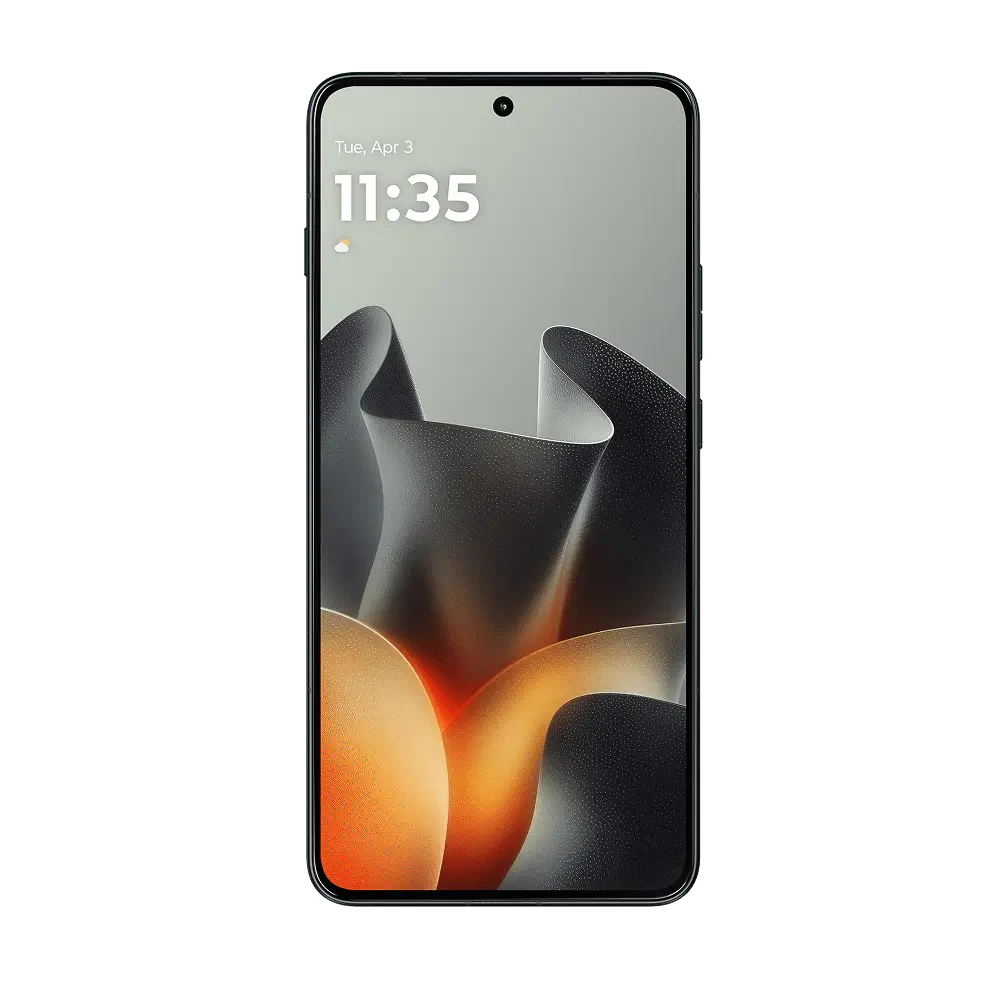
How Motorola’s Qi2 Implementation Stacks Up Against Pixel and MagSafe
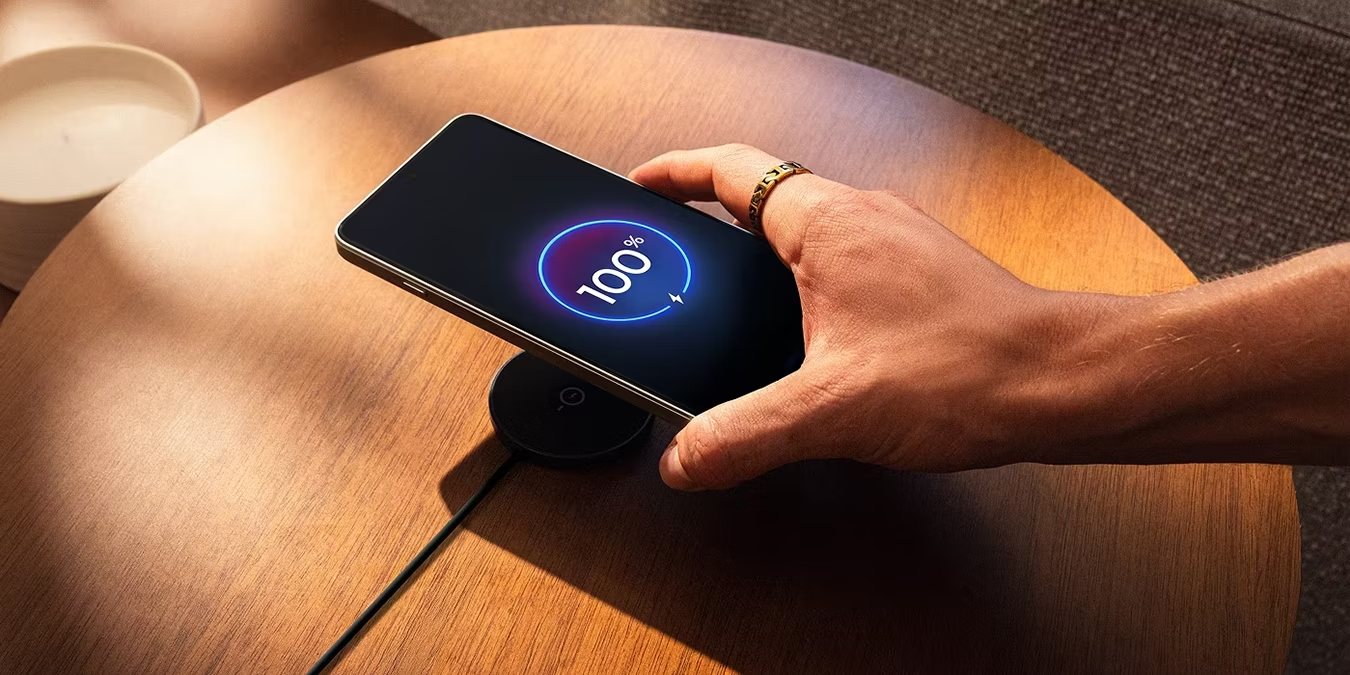
The important story is not that Edge 70 Max supports Qi2; it is how uncompromising that support is. The phone delivers the full 25W MPP25 speed with magnets integrated into the chassis, so you do not need a special case, adhesive ring, or brand-specific accessory to get fast wireless charging. Drop it on any Qi2 pad and it snaps into position, fixing the classic wireless charging pain point where a few millimeters of misalignment mean slower charging or none at all. Motorola’s approach mirrors Apple’s MagSafe ring, but with an open standard instead of a proprietary lock-in. Compared with Google’s Pixel 10 series, which until now stood alone with true Qi2 magnets, the Edge 70 Max proves this is not a gimmick limited to one brand. It shows Android can have MagSafe-like convenience while remaining interoperable—and frankly makes every “Qi2 Ready” implementation look timid.
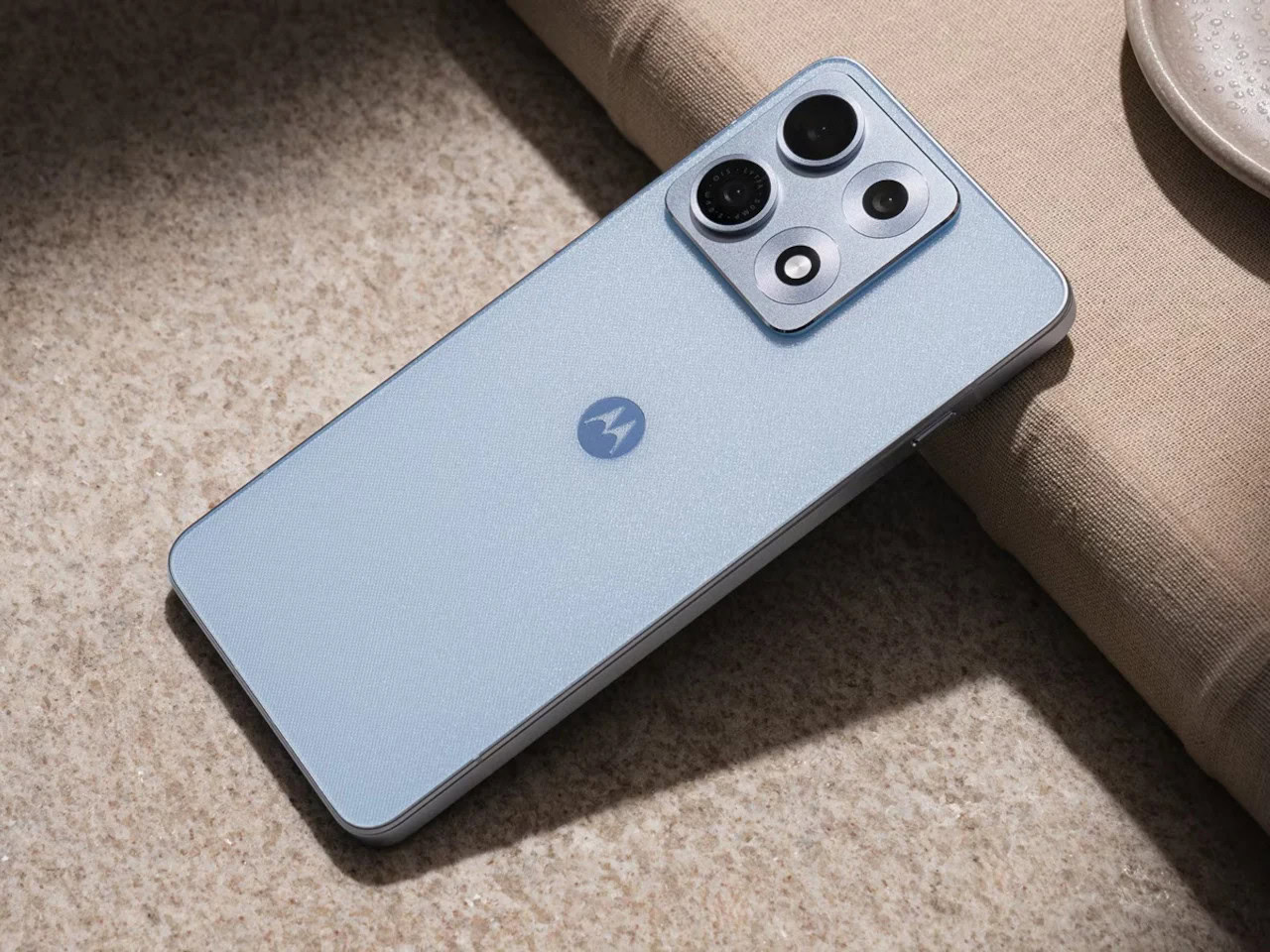
Specs That Make Qi2 More Than a Party Trick
Qi2 would be far less interesting if it were bolted onto weak hardware, but Motorola chose not to coast. Under the hood is Snapdragon 8 Gen 5, with a 36% CPU boost and 11% GPU improvement over the prior generation, backed by up to 12 GB of memory and a terabyte of storage for heavy multitaskers and gamers. The 6.82-inch QHD+ AMOLED display is marketed as the brightest in its class, wrapped in aircraft‑grade aluminum and premium glass with military-standard durability claims. Battery and charging are equally aggressive: a 7100 mAh silicon‑carbon cell with a DXOMARK Gold Label, plus 90W TurboPower wired charging that can deliver a full day’s power in six minutes. According to Motorola, this is “fast, wireless charging that fits seamlessly into your daily routine,” a line that rings truer when the rest of the phone feels high-end rather than like a charging demo board.
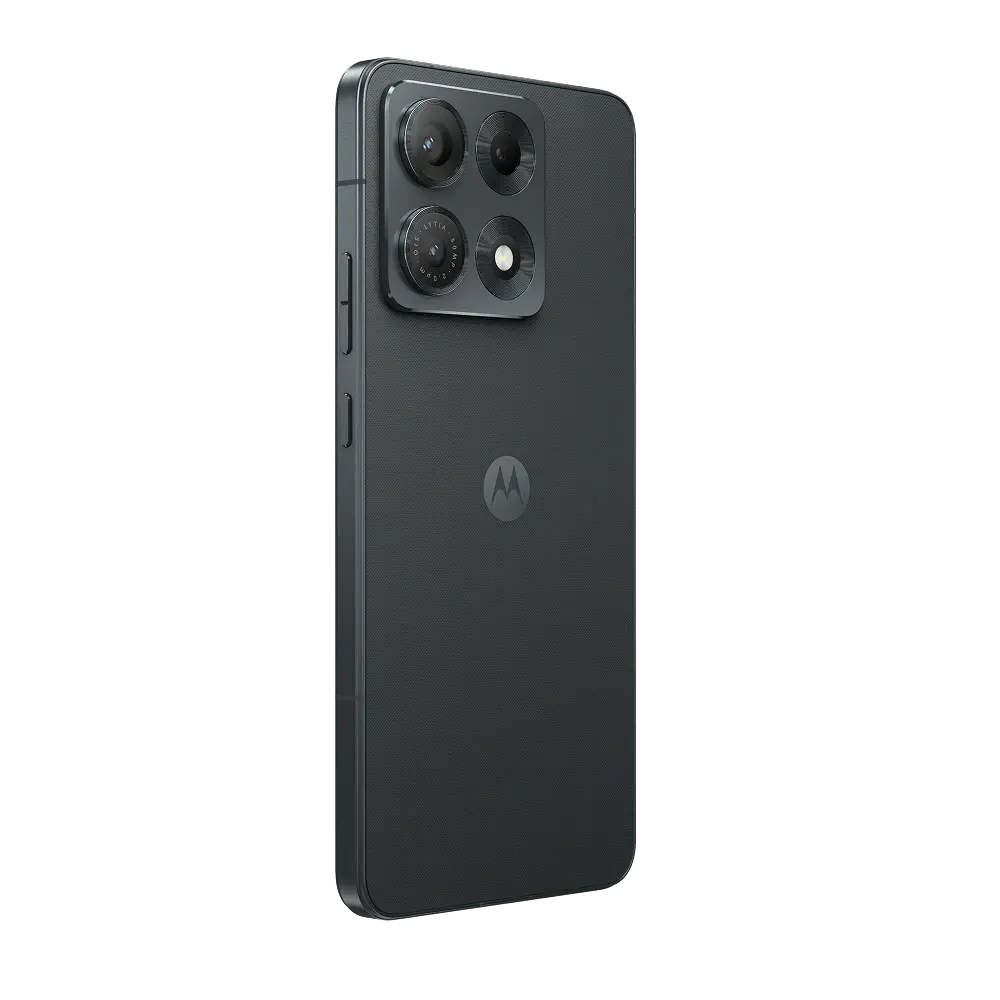
Fixing Android’s Messy Wireless Charging Story
Android’s wireless charging history is a patchwork of vendor-specific wattages, spotty coil placement, and vague promises. Users learned to hover over charging pads, nudging phones into position, and hoping a notification confirmed the device was charging. Meanwhile, Apple’s MagSafe turned magnets into something users could rely on, and Qi2 emerged precisely to standardize that experience across brands. Yet most Android makers stalled, either ignoring Qi2 or hiding behind “Qi2 Ready” labels that skipped magnets or full 25W support. Someone had to break that stalemate. By shipping a fully Qi2‑compliant phone that behaves like MagSafe but speaks a common language, Motorola Edge 70 Max signals that fragmented charging standards are no longer acceptable. Wireless charging should be predictable: same speed across pads, same alignment every time. Motorola is effectively telling the ecosystem it is time to grow up.
Limitations, Price, and Why This Phone Still Matters
Edge 70 Max is not perfect, and those flaws matter. It ships with Android 16 and is only promised two major OS updates, a short runway for a device that otherwise feels forward-looking. Availability is limited and it will not launch in the United States, reducing its impact in one of the largest Android markets, even though it is already on sale elsewhere for £700. That price puts it in step-down flagship territory, not budget experimentation, which underscores Motorola’s confidence in Qi2 as a mainstream feature rather than a niche experiment. For anyone tired of nursing phones into alignment on generic pads, this device is directly relevant: it eliminates that daily friction while delivering fast wireless charging that keeps up with wired options in many scenarios. The bigger implication is clear. If Motorola can turn Qi2 magnets into a selling point, other Android brands can no longer pretend slow, finicky wireless charging is acceptable.