
Android OS update speed is now a buying decision, not an afterthought
Android OS update speed is the measure of how quickly manufacturers deliver new Android versions and security patches to phones after Google releases them, and it now directly shapes how long devices stay secure, feel modern, and hold their value on the used market.
Non-Pixel phone updates used to be slow across the board; you bought Android for hardware and price, not timely software. That picture has changed. With the Android 16 update Motorola is pushing to the Razr 2023 and the Android 17 Xiaomi rollout to the Xiaomi 17 series, two brands often criticized or ignored in software debates are suddenly ahead of Samsung on headline releases. This is not a minor shuffle in rankings. It is a warning that users can no longer assume the biggest Android brand will be first with meaningful updates, or that version numbers tell the whole story about what you actually get.
Motorola’s Android 16 update: late, imperfect, but a real leap
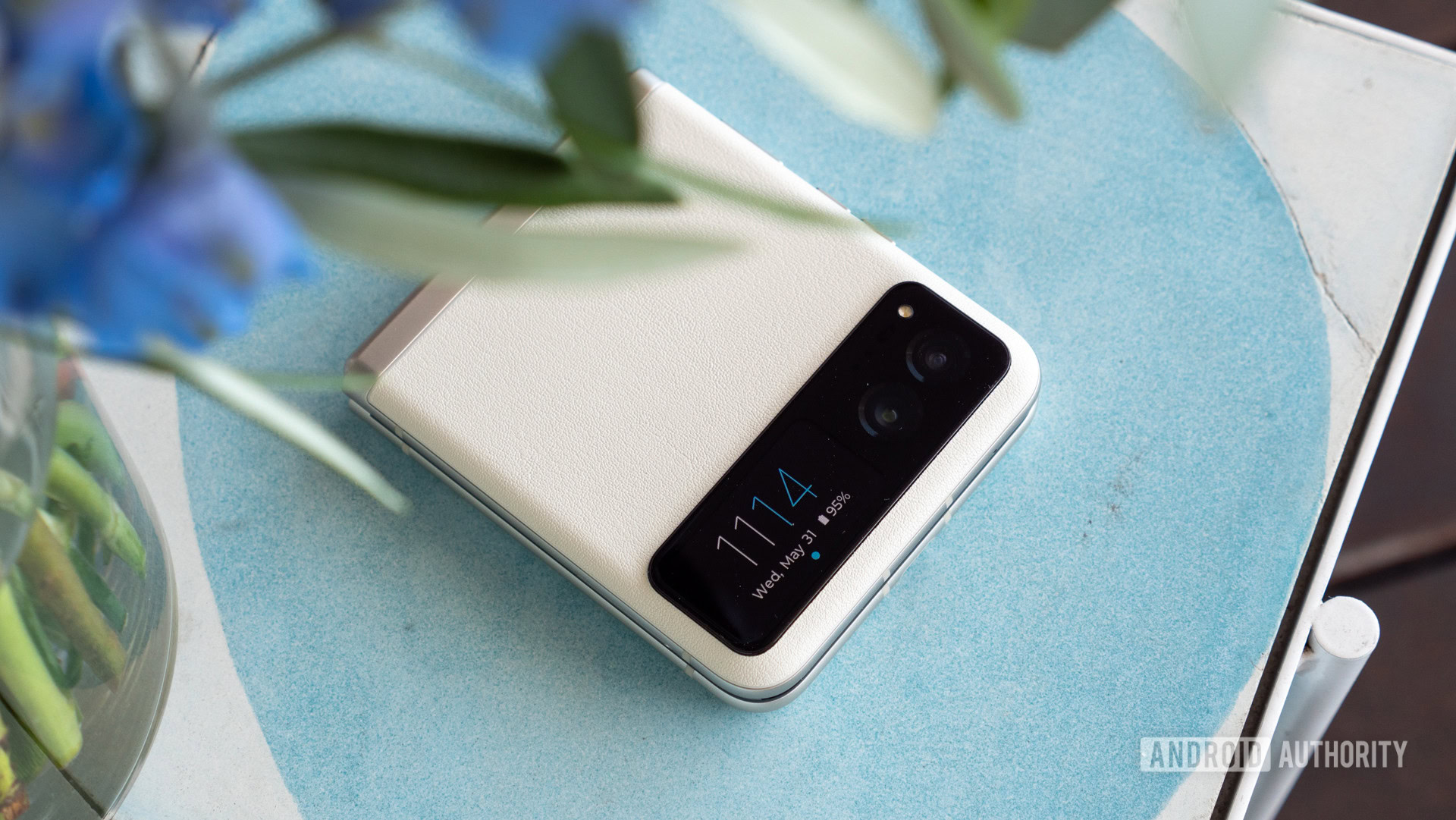
Motorola is finally rolling out Android 16 to the Razr 2023 after a long wait, bringing the latest Android version to one of its older foldables in staged waves across carriers and regions. For a company long criticized for slow major updates, this is a reputational pivot rather than a routine patch. The over-the-air package is a 2.21GB download with build number W1TZ36H.24-71.
More importantly, this Android 16 update Motorola users are getting is substantial in day-to-day terms: a more expressive design, stronger protection from malicious apps, better Bluetooth LE Audio support, clearer background activity, and the latest security improvements. You can keep using the phone while it installs in the background, with Motorola stating personal data will not be affected. The catch is obvious: Motorola skipped the new Quick Settings design that newer phones received, even though that interface refresh is a marquee Android 16 change. The message to buyers is blunt—Motorola can be fast enough now, but it still cherry-picks features, so speed does not always equal completeness.
Xiaomi’s Android 17 win: first in name, not in experience
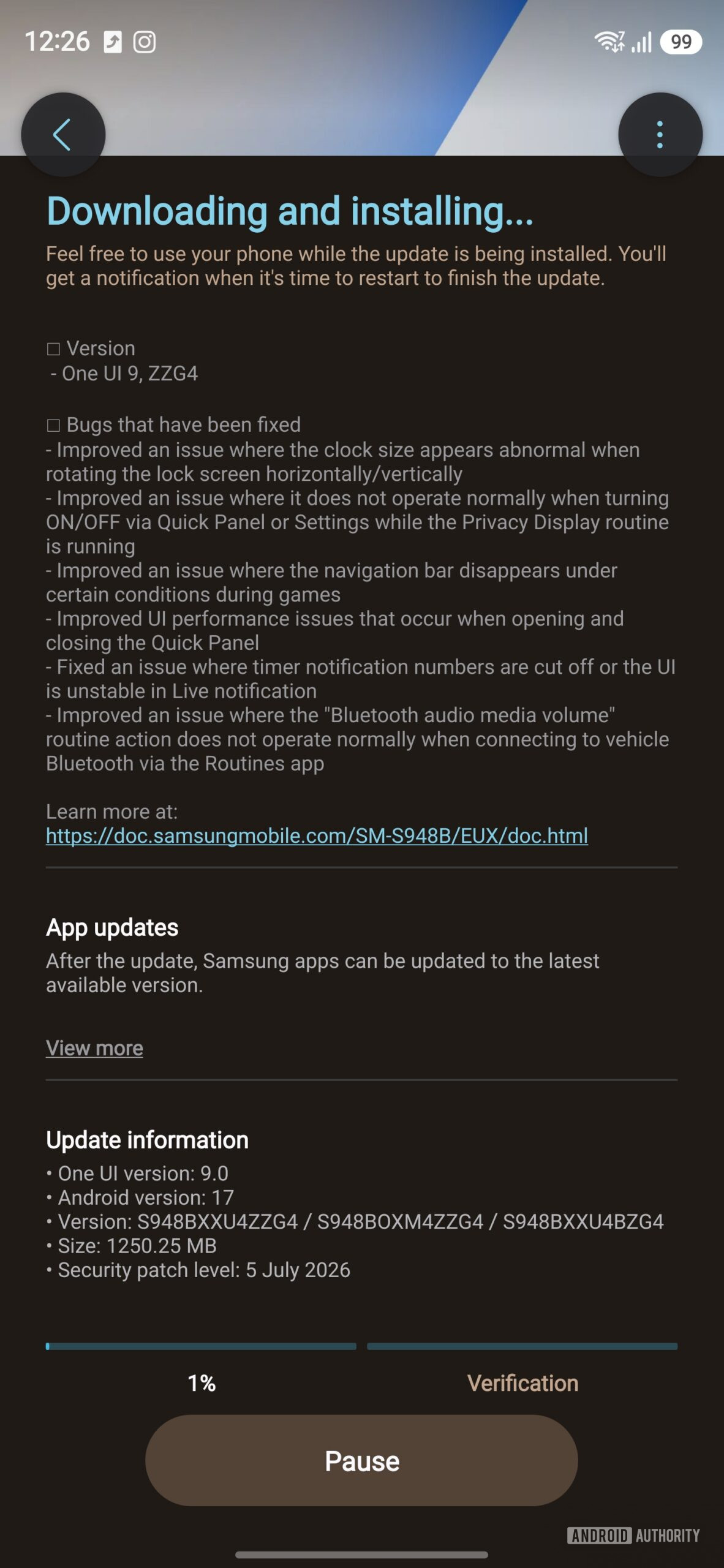
Android 17 reached Pixel phones last month, and most non-Pixel phone updates are nowhere near stable builds yet. Samsung is only at the public beta stage of One UI 9, while many other brands have not even said when their skins will adopt Android 17. Against that backdrop, Xiaomi jumping ahead with stable Android 17 is a strategic flex more than a gift to users.
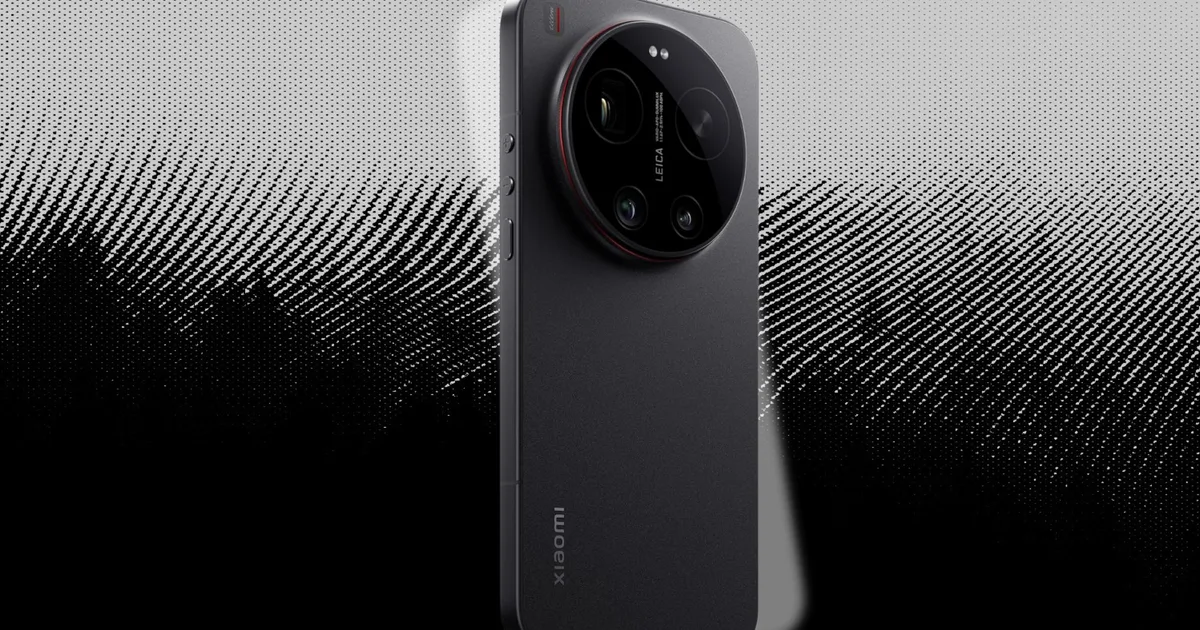
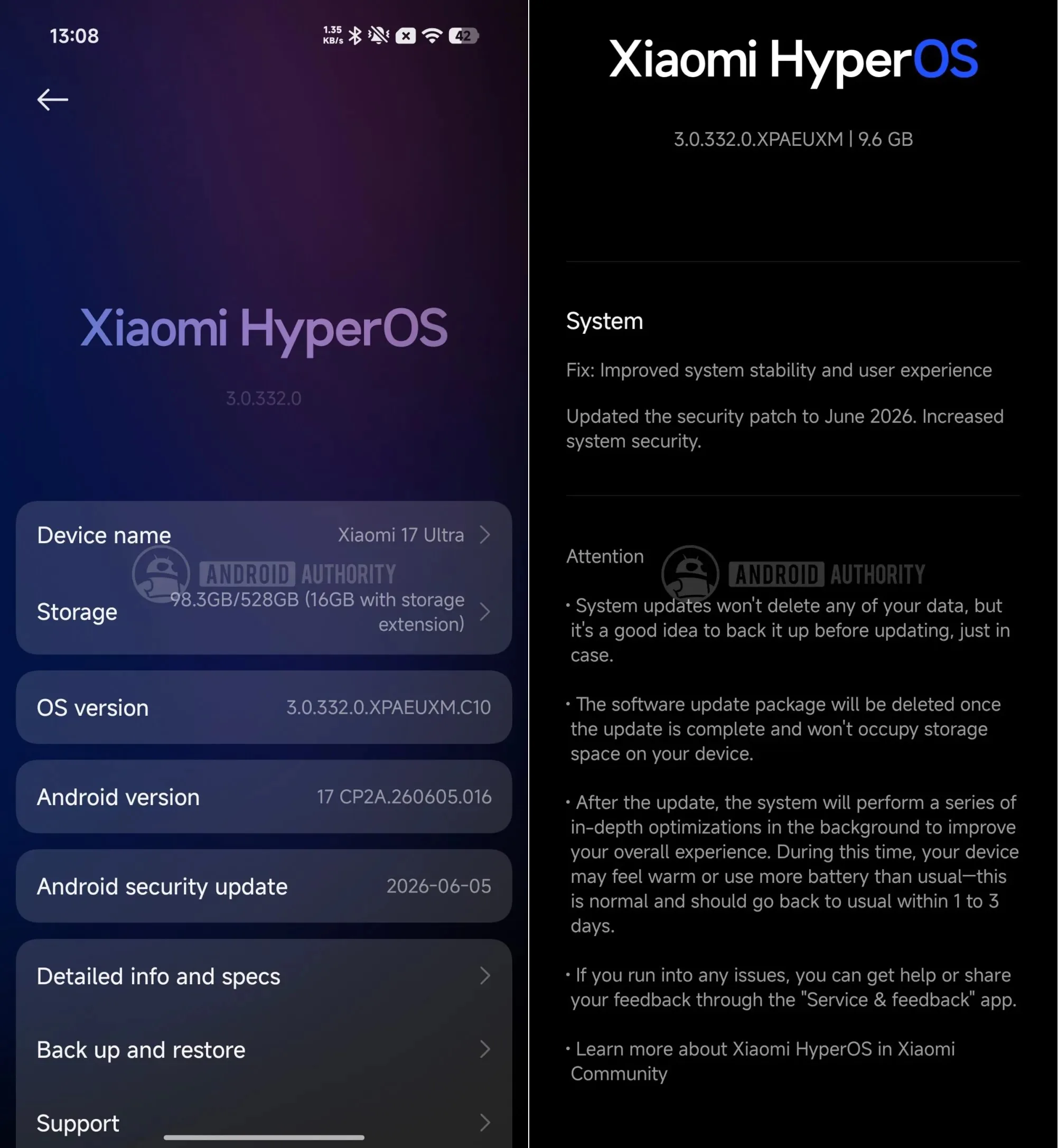
Xiaomi has started rolling out HyperOS 3 based on stable Android 17 to the Xiaomi 17 and camera-focused Xiaomi 17 Ultra, with builds starting at 3.0.332 and hefty downloads of around 8GB for the 17 and 10GB for the Ultra. A limited Mi Pilot program is bringing Android 17 to the last-gen Xiaomi 15T Pro, but only for a small group of testers and only specific variants. Yet the changelog barely acknowledges Android 17, focusing instead on the June 2026 security patch and routine fixes. Because HyperOS controls most features independent of the core Android version, users should not expect Android 17 extras such as app bubbles, screen recording reactions, or separate volume sliders for Gemini. In effect, Xiaomi wins the Android 17 race on paper, but delivers what feels like a normal security update wearing a new badge.
Samsung’s slowdown exposes Android’s fragmented priorities
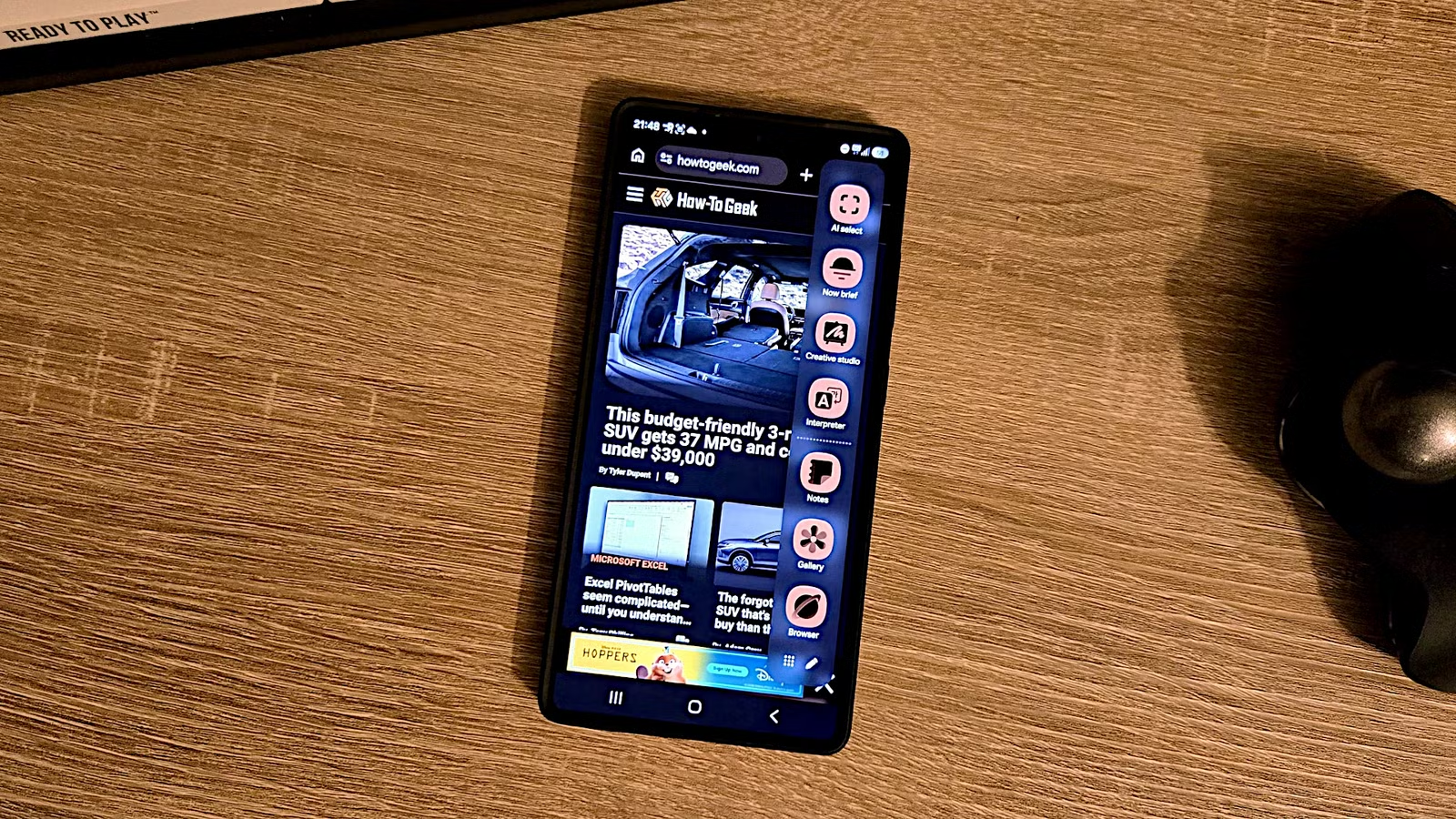
Samsung’s position in this moment is telling. While Motorola ships a full Android 16 package to an older foldable and Xiaomi pushes stable Android 17 to its latest flagships, Samsung is still stuck in a public beta of One UI 9 with Android 17. Most other manufacturers have not even announced plans for their Android 17 skins. The brand that built its reputation on relentless iteration is now trailing smaller rivals in Android OS update speed.
This gap exposes the core problem of the non-Pixel Android ecosystem: fragmentation is not just about hardware diversity, but about wildly different software priorities. Motorola uses Android 16 to counter a history of slow updates, even if it omits a flagship UI feature. Xiaomi races to claim "first non-Pixel with stable Android 17" while delivering changes that look like a security patch. Samsung, meanwhile, appears more cautious, iterating its heavy skin through extended betas. None of these strategies are wrong in isolation, but together they make Android feel inconsistent and unpredictable for buyers who want clarity on how their phones will age.
What this means for your next phone—and your current one
For users, the lesson is straightforward: Android version numbers no longer tell you enough about long-term device value. Two phones can both claim Android 16 or Android 17 and still deliver different feature sets, timelines, and support philosophies. Non-Pixel phone updates now vary from Motorola’s staged but feature-rich Android 16 rollout to Xiaomi’s fast but mostly cosmetic Android 17 bump, while Samsung lingers in beta land.
If you plan to keep a phone for years, you should treat Android OS update speed and transparency as core specs, alongside camera quality and battery life. Check how often a brand has been criticized for slow updates, whether recent devices receive timely security patches, and whether updates include full feature sets or cut-down builds. Right now, Motorola and Xiaomi show that smaller moves in software strategy can beat Samsung in calendar race terms, but each does so with trade-offs. The smarter move as a buyer is not to chase the fastest version number, but to pick the manufacturer whose update history best matches how long and how reliably you want your phone to stay fresh.