

Additive Manufacturing Defense: From Niche Tool to Supply Chain Backbone
Additive manufacturing in defense is the use of 3D printing and related digital production technologies to design, produce, and adapt mission-critical components, tools, and systems on demand across distributed military sites instead of relying solely on centralized, traditional manufacturing supply chains. Defense leaders are no longer dabbling in additive manufacturing defense; they are redesigning how equipment is made, maintained, and upgraded around it. In recent unmanned aircraft systems discussions, industry and military experts argued that geopolitical urgency and fragile supply chains have pushed 3D printing military supply chain concepts from experiment to necessity. The core takeaway is blunt: any defense organization that still treats on-demand defense manufacturing as optional is building its readiness on sand. The winners will be those that embed distributed, digital-first production into logistics doctrine, not those that bolt a few printers onto old processes and hope for the best.

On-Demand Procurement: Time Is Now a Design Variable
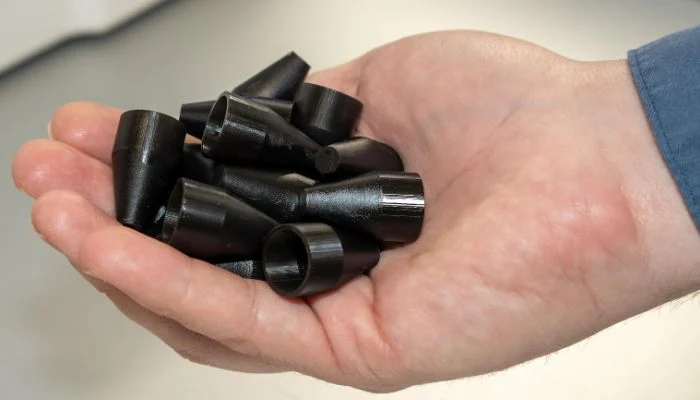
Traditional procurement stretches critical component lead times to months, a direct hit to readiness every time a platform sits idle. On-demand defense manufacturing flips that equation: instead of waiting for parts to move through a fragile chain of suppliers, units produce what they need from secure digital files. When a tooling gap appeared in the F‑35 program, a two-person innovation lab used digital light processing to print 2,000 O‑ring installation tools for all three variants in under two weeks, compared with an estimated six months via conventional procurement. That is not a minor efficiency; it is a fifty-fold acceleration of supply. At unmanned systems events, experts noted production volumes approaching 900 million drone parts today, with projections up to 2 billion over the next decade. In a world moving that fast, aerospace component production that cannot be retooled digitally is operational dead weight.
Field-Deployable Printing: Logistics Follow the Fight, Not the Warehouse
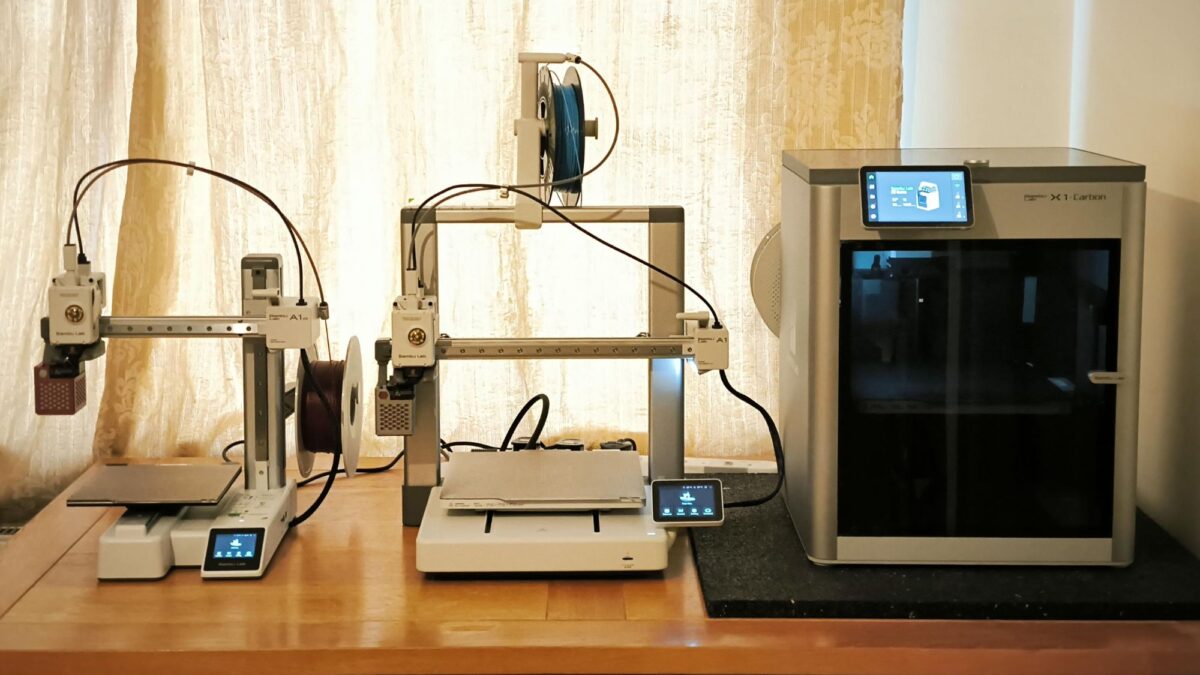
Defense logistics have long been built around centralized depots; the result is equipment parked for months while replacement parts crawl through the system. Field-deployable 3D printing breaks that model. Maintenance teams are already manufacturing tools, brackets, housings and other non-critical parts at forward operating bases, aboard naval vessels, and in mobile production units, cutting repair times and restoring flexibility far from traditional hubs. Desktop printers are changing the mindset further. According to Kalani Ripley, for the cost of one high-end industrial machine, units can deploy around 40 production-ready desktop systems, creating parallel, easily replaceable capacity. This is the heart of 3D printing military supply chain resilience: if one machine fails, another takes its place. Equipment no longer waits on a single factory; the factory travels with the force. That mobility is exactly what contested supply lines demand.
Rapid Prototyping and Distributed Manufacturing: Turning the Battlefield into a Lab
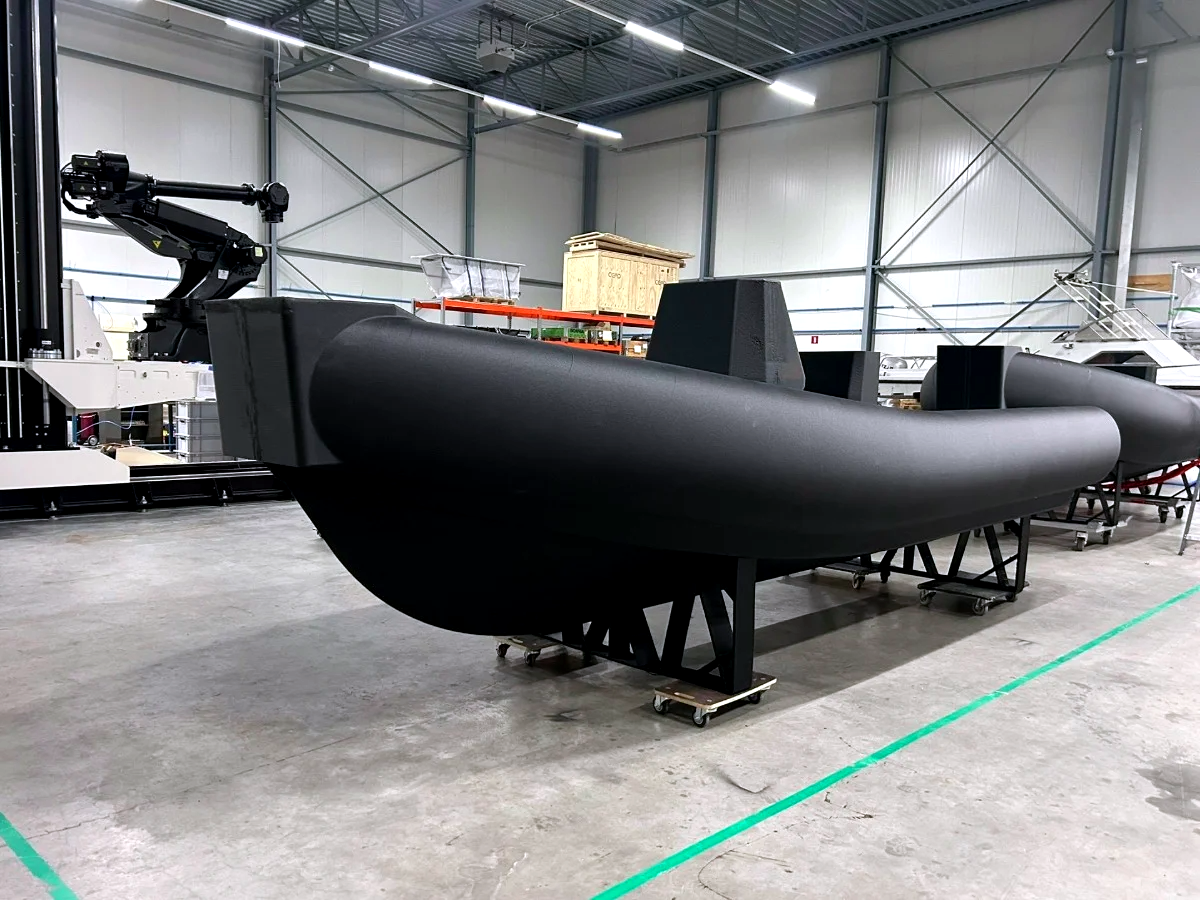
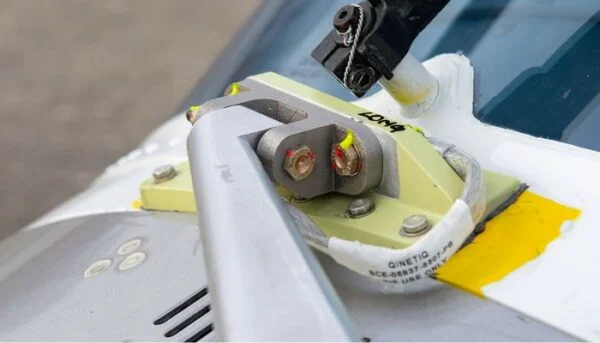
The most radical impact of additive manufacturing defense strategies is not spare parts; it is speed of learning. Defense systems are now iterated almost as quickly as software. The U.S. Army’s SPARTA drone, built from direct soldier input, moved from user feedback to prototype within months. In drone production, industry leaders highlighted how 3D printing enables rapid design changes without new tooling, supporting mission-specific payloads, ranges and targets on short cycles. Conrad Smith summed up the benefits as rapid iteration, mission-specific payloads, lightweight structures and reduced tooling costs. Distributed manufacturing means these iterations happen across multiple sites, not one slow central line, reducing single-point failure risk and strengthening supply chain resilience. Modern aerospace component production is already using additive methods for airframes, brackets, ducts and RF mounts, and early 2026 saw a 3D-printed titanium hinge for a helicopter air data boom manufactured, qualified and flight-tested using reprocessed metal. The message is clear: the battlefield is becoming a live development environment.
Cost, Resilience and the Coming Defense Investment Wave
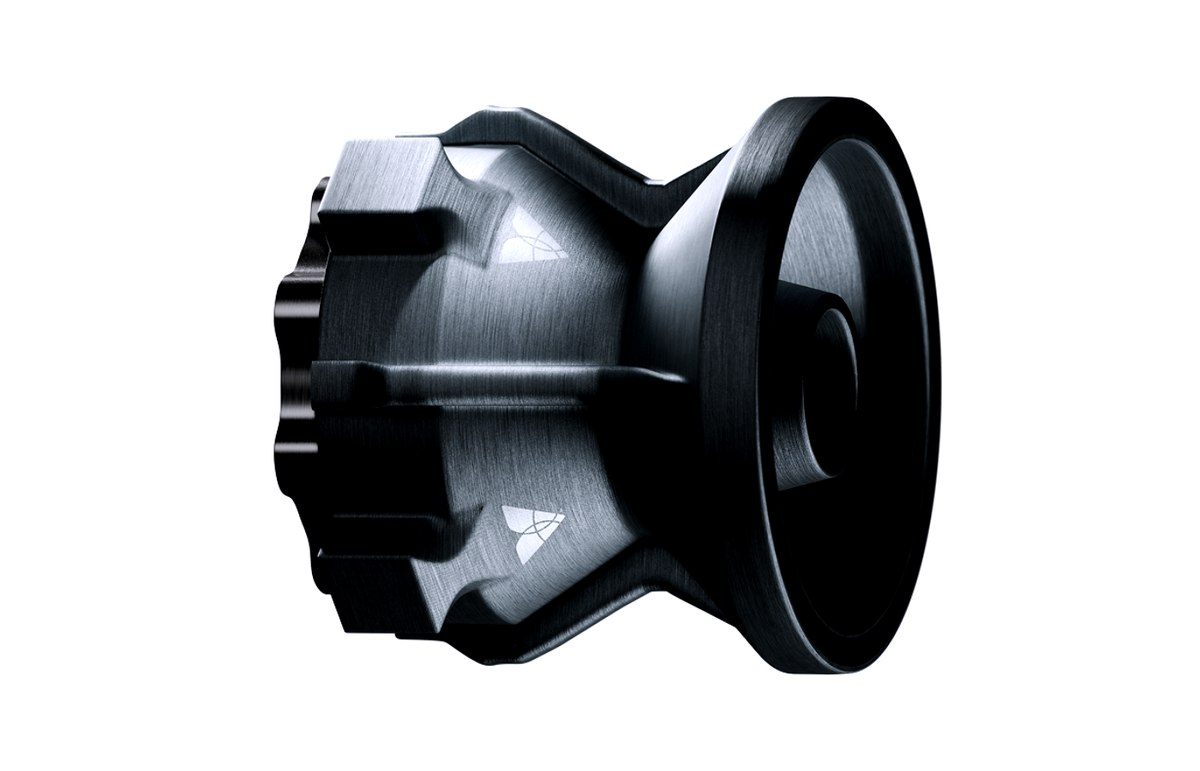
Additive manufacturing is not only faster; it is cheaper in ways that change budget politics. When a cooling fan rotor failed on a chilled water pump aboard a destroyer, the conventional fix was to replace the entire pump at USD 316,544 (approx. ₱17,724,464). Instead, maintenance teams reverse-engineered the rotor, printed four prototypes, and produced a final blade for USD 131.21 (approx. ₱7,358), avoiding an estimated USD 316,412.95 (approx. ₱17,716,713) per part. That kind of cost avoidance frees real money for modernization. At the same time, additive manufacturing supports local, distributed production that reduces dependence on vulnerable suppliers and shipping routes. Governments are responding: one recent defense budget allocates USD 3.3 billion (approx. ₱184,800,000,000) to additive-related projects across 16 programs, an 83% increase from USD 1.8 billion (approx. ₱100,800,000,000) the previous year. Skeptics can argue about standards and qualification pathways, but not about direction. Qualification remains rigorous, yet the path to mission-critical aerospace component production is steadily clearing. Defense organizations that stall now will spend the next decade buying readiness from those that did not.